

Intel Core Ultra 9 285K deal will save you up to $109 on this powerful 24 core processor

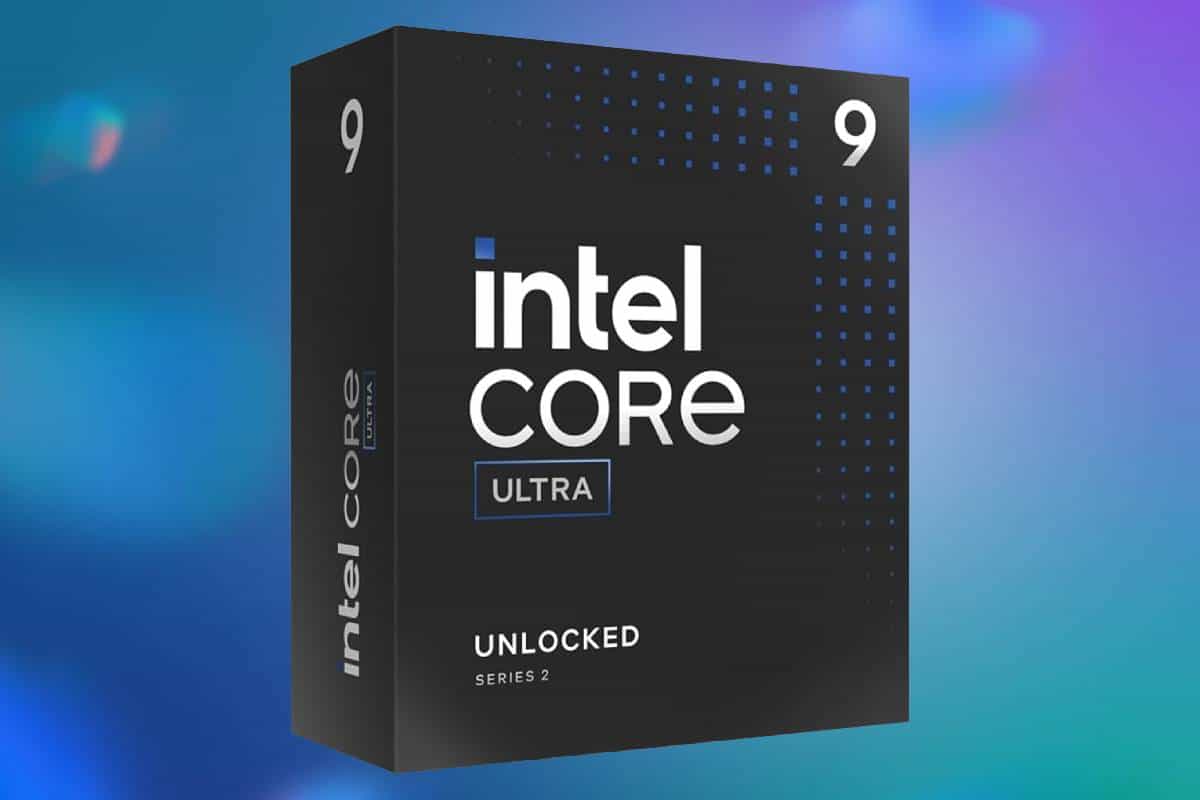
Table of Contents
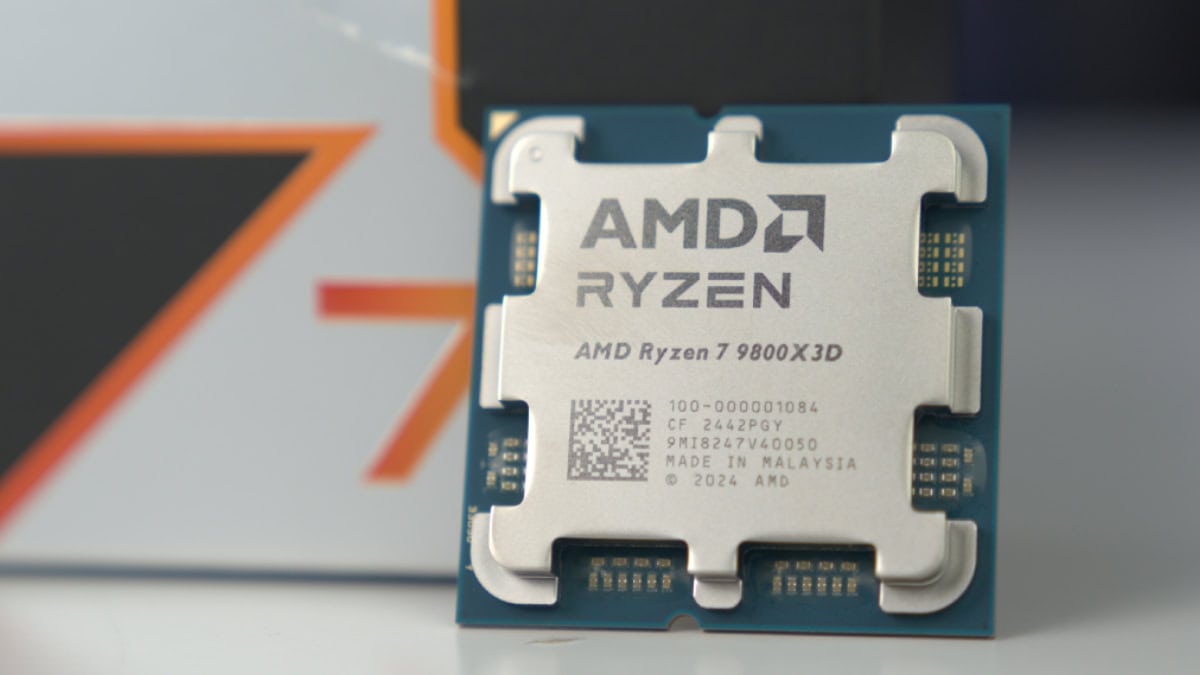
The Intel Core Ultra 9 285K is a high-end desktop processor best suited to content creation, intensive multitasking, software development and mixed gaming-and-productivity systems. Its 24-core hybrid architecture delivers considerable multi-core capability, while the integrated graphics and neural processing unit add useful media and AI acceleration. It is less compelling as a purely gaming-focused purchase vs competing Ryzen X3D processors like the Ryzen 7 9800X3D, but it offers a broader feature set for users whose workloads extend well beyond games. Click this link and then ‘Another Way To Buy’ on the right-hand side of the product page to get this CPU brand new for $489.95 from a 3rd party seller, or buy direct from Amazon for $519.99.

The Core Ultra 9 285K is based on Intel’s Arrow Lake architecture and belongs to the company’s desktop Core Ultra Series 2 family. Unlike several previous Intel desktop generations, it does not use Hyper-Threading, so each physical core handles one thread. Read on for more information on the specifications, or see the bottom of this page for alternative CPU deals.
What we like about the Intel Core Ultra 9 285K 24-Core Desktop Processor
Strong hybrid multi-core architecture
The combination of eight performance cores and 16 efficiency cores gives the 285K substantial parallel-processing resources. Applications including 3D rendering, video production, code compilation and batch media processing can distribute work across all 24 cores, while the performance cores remain available for tasks requiring stronger single-thread responsiveness.
Latest tech deals.
- AMD Ryzen™ 9 9900X 12-Core - was $499 now $328
- CORSAIR 4000D PC Case - was $124.99 now $75.99
- Hisense 65" Class E6SR - was $549 now $377.99
- Apple 2026 MacBook Air - was $1,999 now $1,799
- Skytech Gaming PC Desktop (9850X3d) - was $4,299 now $3,799
- Apple Magic Mouse - was $79 now $59
- MSI Prestige 16 Flip - was $2,149 now $1,899
- Kotin 9700X Gaming PC - was $2,399 now $2,199
Prices correct as of October 9th, 2026.
Its lack of Hyper-Threading means the thread count is lower than the 32 threads provided by some older Core i9 processors. Thread count alone does not determine performance, however, and Arrow Lake’s redesigned cores are intended to improve the amount of work completed per clock while controlling power use more effectively.
Intel equips the processor with 36MB of shared Smart Cache and 40MB of total L2 cache. The generous L2 allocation helps keep frequently used instructions and data closer to the cores, reducing reliance on comparatively slower system memory in suitable workloads.
High boost frequency for responsive performance
The headline 5.7GHz frequency provides strong short-duration performance when an application relies heavily on one or two cores. This is useful for everyday responsiveness, lightly threaded creative tools and games that depend on fast primary threads.
Thermal Velocity Boost only reaches its maximum under the correct operating conditions. Intel specifies that this feature responds to temperature, available power and workload characteristics, so buyers should not interpret 5.7GHz as the normal frequency of all 24 cores.
The processor is unlocked, allowing experienced users to adjust core ratios, voltages and memory settings on a compatible motherboard. Intel Extreme Tuning Utility can assist with monitoring and adjustment, while XMP 3.0 profiles simplify the configuration of supported high-speed memory kits. Overclocking can increase temperature and power consumption, and it may affect stability or warranty coverage.
DDR5-6400 and high-capacity memory support
The Core Ultra 9 285K supports dual-channel DDR5 memory at officially rated speeds of up to 6400 MT/s. Intel currently lists a maximum memory capacity of 256GB, although the practical limit and attainable speed depend on the motherboard, DIMM arrangement and memory type.
Using one memory module per channel generally provides the best chance of reaching higher speeds. Installing four DIMMs places a greater electrical load on the memory controller and may require a lower operating frequency. XMP kits can run beyond Intel’s standard specification, but their advertised speeds are overclocked settings and are not guaranteed with every combination of processor and motherboard.
ECC memory is supported by the processor, although actual ECC functionality requires compatible memory, motherboard circuitry and firmware. This can be useful for selected workstation applications where error detection matters.
Extensive PCIe and platform connectivity
The processor supplies 24 PCI Express lanes and supports both PCIe 5.0 and PCIe 4.0. Supported configurations include a 16-lane graphics connection alongside two four-lane links, giving motherboard designers sufficient bandwidth for a discrete GPU and high-speed NVMe storage.
The precise distribution of those lanes varies between motherboards. Buyers who need several Gen 5 SSDs, multiple expansion cards or particular lane-sharing behaviour should examine the motherboard manual rather than relying solely on the chipset name.
Thunderbolt 4 support is integrated into the platform, while compatible motherboards can also provide discrete Thunderbolt 5 controllers. The accompanying 800-series platform can offer modern connectivity such as Wi-Fi 7, Bluetooth 5.4 and additional chipset-based PCIe 4.0 lanes, but their inclusion remains dependent on the selected board.
Integrated graphics and Quick Sync support
Unlike the KF variant of some Intel processors, the 285K includes integrated Intel Graphics. Its GPU contains four Xe cores, operates at up to 2GHz and supports as many as four displays, subject to motherboard outputs and system configuration.
The integrated GPU is useful for troubleshooting, office use and operating a system without a discrete graphics card. More importantly for some creators, Intel Quick Sync Video provides hardware acceleration for H.264, HEVC and AV1 encoding and decoding. Compatible editing and streaming applications can use this media engine independently of a dedicated GPU.
The graphics component is not intended to replace a modern discrete card in a high-end gaming system. Its greater value lies in media processing, display output and diagnostic flexibility.
Dedicated NPU for local AI workloads
Intel AI Boost adds a neural processing unit rated for up to 13 INT8 TOPS. Together with the CPU and integrated GPU, Intel specifies up to 36 platform TOPS.
The NPU is intended to handle sustained, supported AI processes more efficiently than assigning every operation to the CPU. Potential uses include background effects, image processing, noise reduction and compatible local machine-learning tools. Its real benefit depends heavily on software support, and the 13-TOPS NPU alone does not satisfy the requirements associated with every category of AI PC software.
Useful security and manageability features
The 285K supports Intel virtualization technologies, Boot Guard, Control-Flow Enforcement Technology, AES instructions and Total Memory Encryption Multi-Key. Intel also lists eligibility for vPro Enterprise, although access to particular management capabilities depends on the complete platform and system configuration.
These features broaden its suitability for professional workstations, development environments and virtual-machine use. They will not materially improve gaming performance, but they add value in business or technical systems.
Who should buy this Intel Core Ultra 9 285K deal?
The Intel Core Ultra 9 285K is a strong fit for creators, developers and advanced desktop users who regularly run multi-core workloads while also wanting capable gaming performance. It is particularly relevant for video-production systems that can exploit Quick Sync, rendering workstations, large software builds and heavily multitasked setups.
It is less obvious for someone assembling a gaming-only computer. Games do not usually use all 24 cores, and processors with large stacked caches can achieve stronger results in cache-sensitive titles. The graphics card also becomes the dominant factor at higher resolutions, limiting the practical value of paying for the fastest available CPU.
Platform cost must be considered carefully. The 285K uses the LGA1851 socket and requires a compatible Intel 800-series motherboard; it cannot be installed in an older LGA1700 board. DDR5 memory is also mandatory. Existing Intel users should therefore treat it as a platform replacement rather than a drop-in processor upgrade.
For a new workstation or premium multi-purpose computer, its wide connectivity, high core count, integrated media engine and dedicated NPU form a versatile package. Its overall value ultimately depends on the combined price of the processor, LGA1851 motherboard, DDR5 memory and suitable cooling—not simply the processor’s advertised discount.
More processor deals






About the Author