


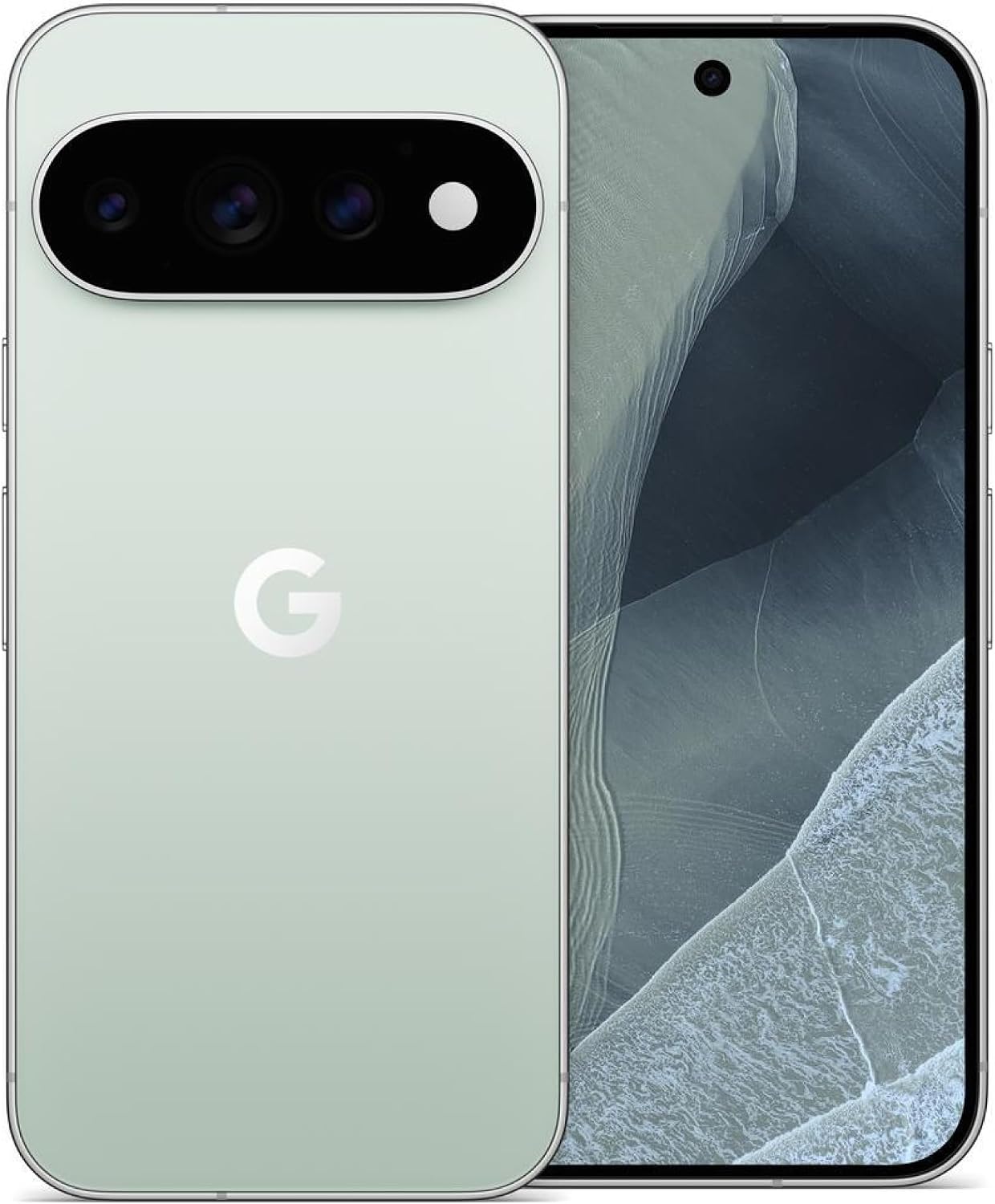
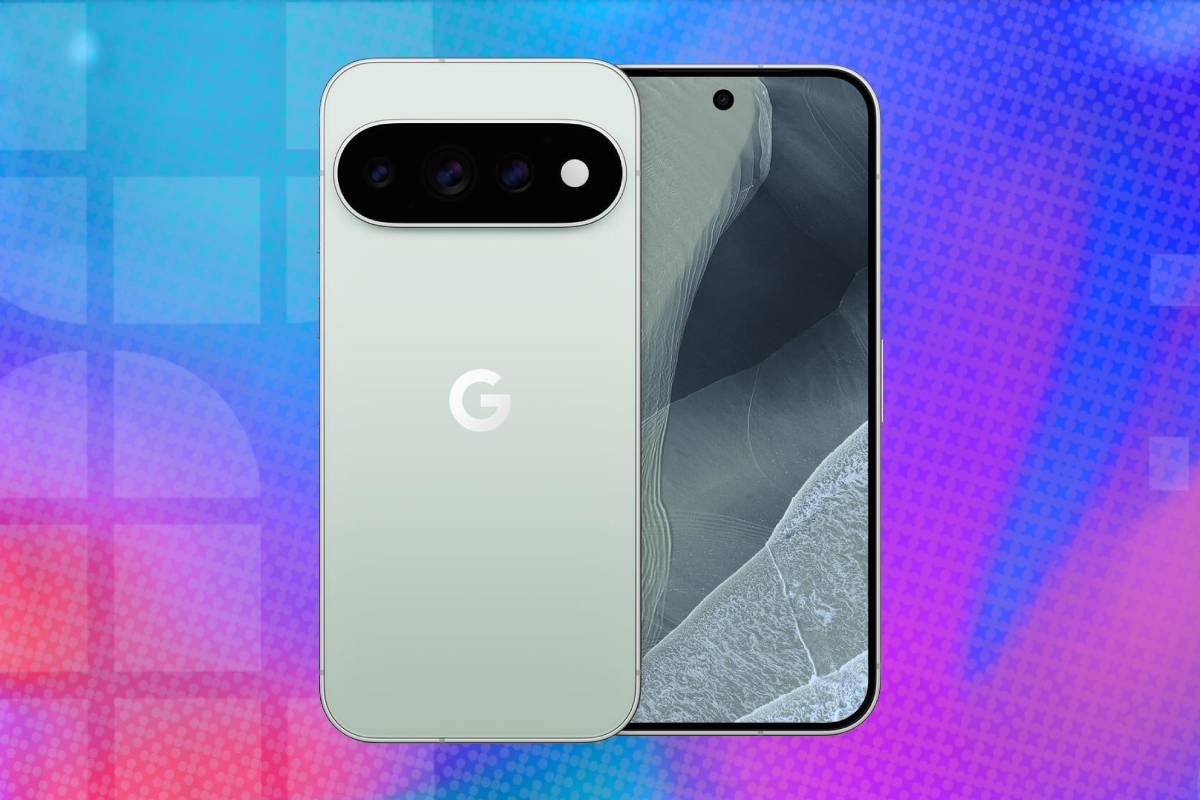
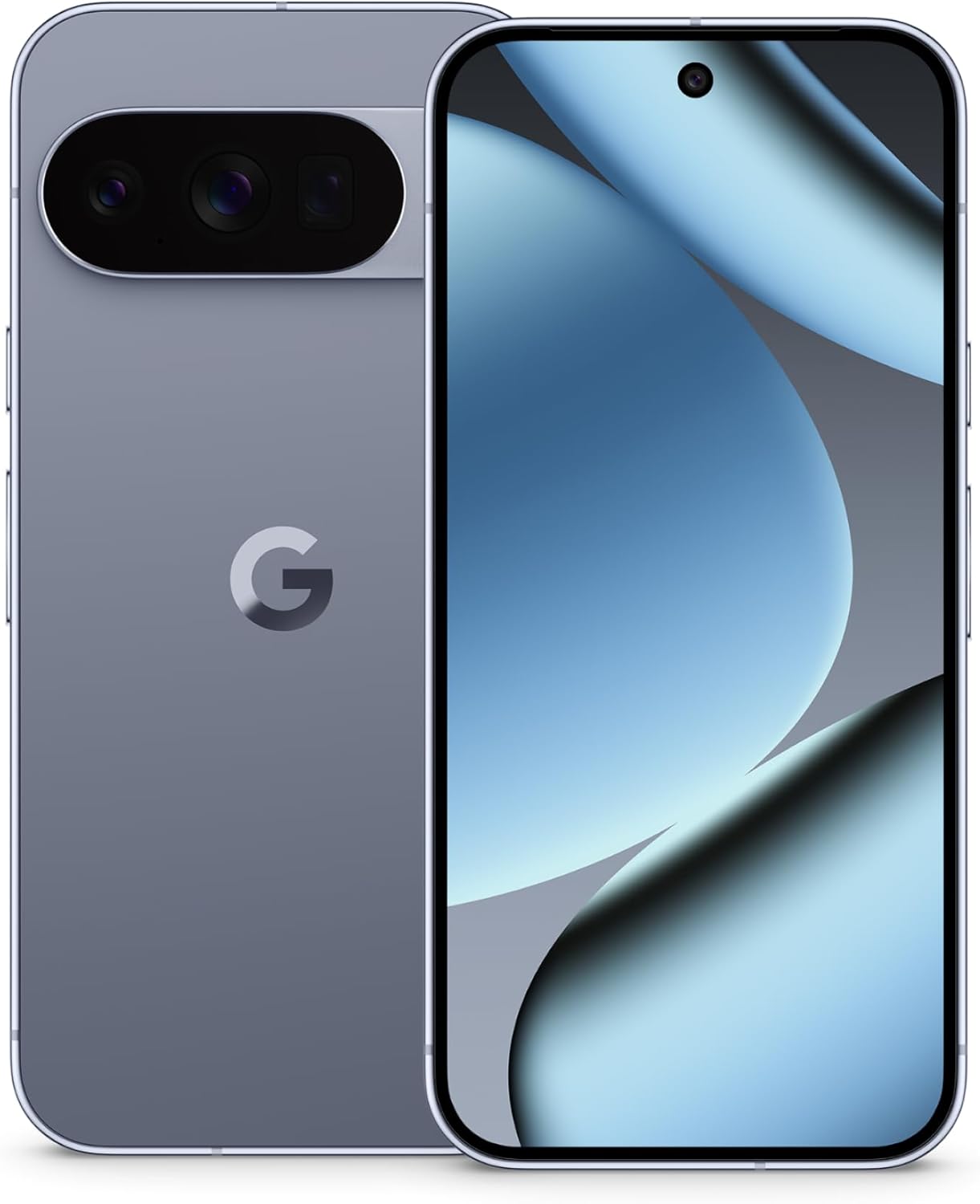
This is a great offer for those after a latest-gen flagship Android smartphone at an affordable price. The Google Pixel 11 Pro combines an unusually bright 6.3-inch display with a versatile triple-camera system, long software support and a more capable Tensor G6 processor. Its compact dimensions make it an appealing alternative to oversized flagship phones, although the 256GB version receives 12GB of RAM rather than the 16GB supplied with higher-capacity models. This is a strong choice for Android users who value photography and Google’s software experience more than class-leading gaming performance. Pick it up now for just $799!
Prices and savings can change. Check the retailer for the current price.
Below we’ve listed detailed information on the various specifications of this smartphone. Take a gander at the bottom of this page if you want to see more smartphone deals.
What we like about this Google Pixel 11 Pro Smartphone (256GB)
A compact flagship display
The Pixel 11 Pro uses a 6.3-inch Super Actua LTPO OLED display with a 1280 x 2856 resolution and a pixel density of 495 pixels per inch. This should produce sharp text and fine image detail without requiring the larger body of the Pixel 11 Pro XL. LTPO technology allows the refresh rate to vary from 1Hz to 120Hz. The panel can use a high refresh rate for responsive scrolling and animation, then reduce it when displaying relatively static content to conserve battery power.
Latest tech deals.
- AMD Ryzen™ 9 9900X 12-Core - was $499 now $331
- Sony INZONE M10S 27” - was $899 now $748
- Thermaltake LCGS View i1470S-170 - was $2,399 now $2,099
- Apple 2026 MacBook Air - was $1,999 now $1,891
- Bose QuietComfort Headphones - was $359 now $169
- LG 77-inch OLED C6 - was $2,499 now $1,999
- MSI Prestige 16 Flip - was $2,149 now $1,870
-
Hisense 85" U6 Pro Series-
Prices correct as of November 5th, 2026.
Google specifies up to 2,400 nits of HDR brightness and up to 3,600 nits of peak brightness. Peak figures apply under particular test conditions and will not represent the sustained brightness of the entire screen, but the substantial headroom should improve outdoor visibility and make HDR highlights more convincing.
The screen supports HDR, a contrast ratio exceeding 2,000,000:1 and 24-bit colour. As an OLED panel, it can switch individual pixels off to display deep blacks without relying on a conventional backlight. Corning Gorilla Glass Victus 2 protects the display, supplemented by Google’s anti-scratch shield. A screen protector and protective case are still sensible because scratch resistance does not make a phone immune to impact damage.
A versatile triple-camera system
The rear camera system consists of a 50MP main camera, a 48MP ultrawide camera with autofocus and a 48MP telephoto camera. That combination covers everyday photographs, group shots, landscapes, close-up macro images and distant subjects without relying on a single sensor for every focal length. The main camera uses a relatively large 1/1.3-inch sensor and an f/1.68 aperture. A larger sensor can gather more light, improving detail and reducing noise when conditions become dim. Google’s computational photography then combines information from multiple frames to manage exposure, colour and moving subjects.
The ultrawide camera has a 123-degree field of view and supports autofocus. Autofocus enables Macro Focus for close-up photography, giving the ultrawide camera more flexibility than a fixed-focus unit.
The telephoto camera provides 5x optical zoom and optical image stabilisation. Google also claims optical-quality results at 10x through a combination of sensor cropping and image processing, followed by Pro Zoom at up to 120x.
The 120x figure should be treated as the extreme end of the digital zoom range rather than an alternative to a long optical lens. Image quality inevitably falls as magnification increases, and independent testing has found that maximum-zoom photographs can acquire visible processing artefacts. The lower optical and hybrid zoom levels are likely to be much more consistently useful.
Google has enlarged the telephoto sensor compared with the preceding generation and claims 30% better light sensitivity. That should help the camera maintain detail at night, when a narrow telephoto lens would otherwise struggle to collect sufficient light. The front camera is another area where the marketplace listing is inaccurate. Amazon identifies a 13MP sensor, while Google’s official specification lists a 42MP autofocus selfie camera with a wide 103-degree field of view. The wider perspective can make group selfies and video calls easier to frame.
Helpful computational photography features
Magic Capture records video and photographs from a single activation, then creates an edited selection that can be shared. Its purpose is to let the user concentrate on an event rather than repeatedly switching between photography and video modes.
Instant Night Sight is designed to capture a usable low-light image with less waiting than a conventional multi-second night exposure. Other familiar Pixel tools include Face Unblur, Auto Unblur, Best Take, Real Tone, Long Exposure, Action Pan and Astrophotography. Camera Looks provides selectable visual treatments for users who want more control over the appearance of JPEG images without editing them manually. Pro controls and high-resolution capture remain available for photographers who prefer greater involvement.
The editing suite includes Magic Eraser, Photo Unblur, Portrait Light and tools for reframing an image or repositioning a subject. Some AI-assisted features may depend on an internet connection, account eligibility, language or regional availability, so they should not all be assumed to work offline in every country.
Rear-camera video recording reaches 4K at 24, 30 or 60 frames per second. The 42MP front camera can also record 4K video at 30 or 60 frames per second. Additional options include 10-bit HDR, Night Sight Video, Video Boost, Audio Magic Eraser and optical stabilisation on the main and telephoto cameras.
Gemini features integrated throughout Android
The Pixel 11 Pro is designed around Gemini Intelligence rather than presenting AI as a separate application. Gemini can work across compatible Google services to locate information, summarize material, help plan tasks and respond to voice or text prompts. Gemini Live supports more conversational interactions, while Gemini Nano enables selected processing directly on the phone. Local processing can improve response time and privacy for supported features, although more demanding requests may still require a network connection.
The usefulness of proactive assistance will depend heavily on the applications and services a buyer uses. Independent reviews have found some of the new AI functions useful, particularly voice transcription and content creation, but have also reported that proactive suggestions can be inconsistent or dependent on exact wording.
HiLight offers discreet notifications
HiLight uses glowing elements on the back of the phone to communicate certain activity while the Pixel is face down. It can notify the user when selected favourite contacts call or provide visual feedback during supported Gemini interactions.
The idea is to communicate limited information without requiring the screen to remain visible. This may help reduce unnecessary screen checking in meetings or social settings.
Its current usefulness appears relatively narrow, however. Independent reviews have noted that HiLight supports only a limited range of interactions, so it should be regarded as a supplementary design feature rather than a replacement for a full notification system.
Pixelsnap and faster wireless charging
Pixelsnap is Google’s magnetic accessory system built around Qi2.2. Because the alignment magnets are integrated into the phone, a compatible charger can attach securely without requiring a special magnetic case.
Correct alignment can make wireless charging more reliable and lets the phone work with stands, car mounts, wallets and grips. Google specifies wireless charging at up to 25W, which is substantially faster than basic Qi charging. Accessory compatibility may still vary. Magnetic attachment does not guarantee that every third-party accessory will provide maximum charging speed, so buyers should check Qi2 certification and power specifications.
The box includes a one-metre USB-C cable and SIM tool but no wall charger. Anyone without a suitable USB-C PPS adapter should account for that additional purchase.
Seven years of software support
Google promises seven years of operating-system, security and Pixel Drop updates from the phone’s original US Google Store availability. Long support improves the prospect of keeping the phone beyond a conventional two- or three-year upgrade cycle.
The extended window also matters when the phone is passed to another user or resold. A device that continues receiving security patches is more practical on the second-hand market than one approaching the end of support.
The Pixel 11 Pro launched with Android 17. Its clean Pixel interface and rapid access to Android updates remain important advantages for users who prefer Google’s version of the operating system.
Strong security and safety features
Tensor G6 works with the Titan M3 security coprocessor, Tensor security core and a trusted execution environment to protect sensitive operations. Google also includes anti-malware, anti-phishing and spam protection, along with VPN by Google at no additional subscription cost in supported regions. Authentication options include fingerprint recognition, face recognition, PIN, password and pattern. Face Unlock and fingerprint access give users alternative ways to authenticate when one method is inconvenient.
Safety functions include Emergency SOS, Car Crash Detection, Crisis Alerts, Safety Check and Emergency Location Service. Satellite SOS is available in selected countries, including the UK and US, subject to setup, location and service limitations. These functions can assist in an emergency but should not be treated as guaranteed replacements for conventional mobile coverage or local emergency procedures.
Durable materials in a manageable body
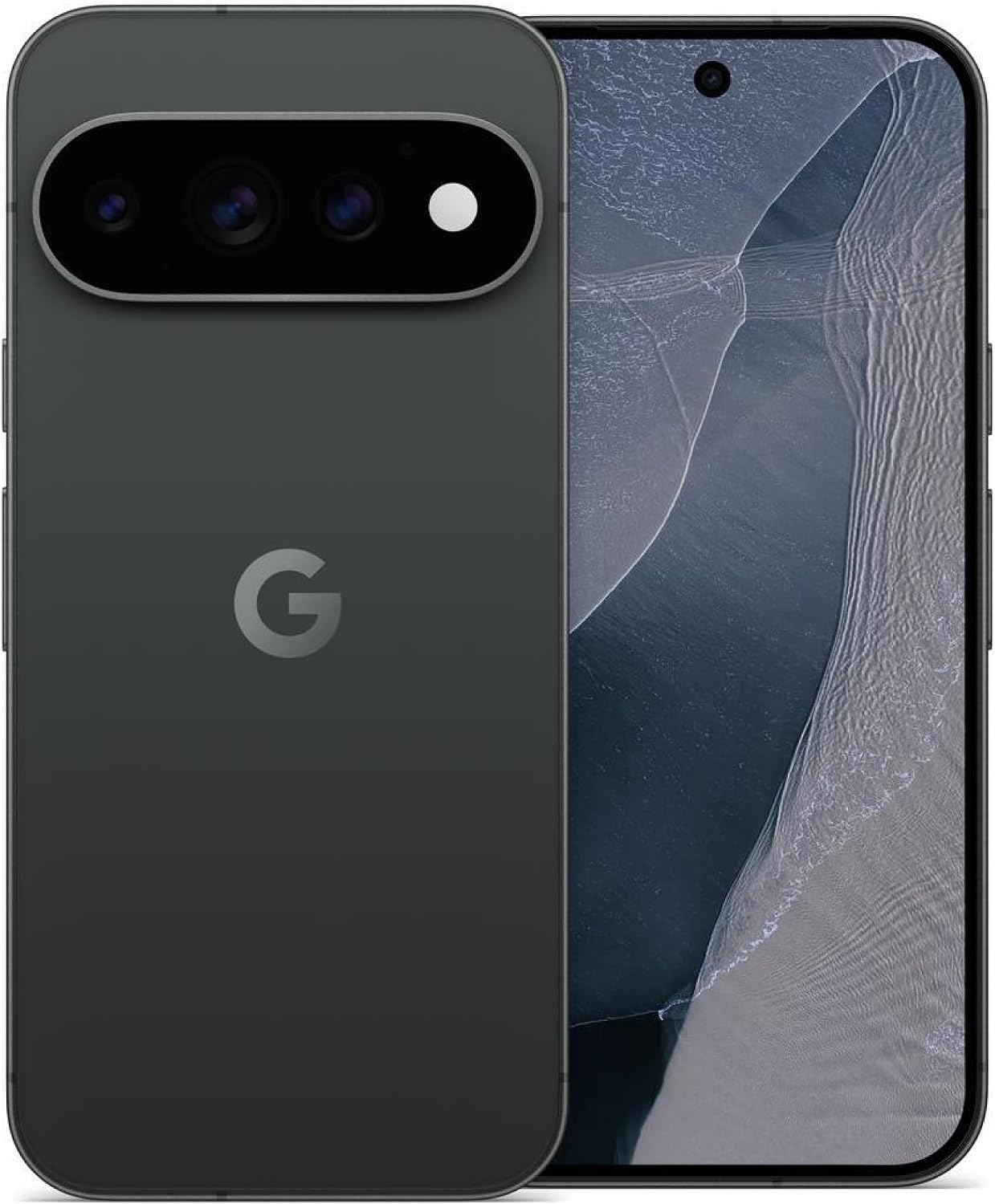
The Pixel 11 Pro measures approximately 152.7 x 71.9 x 8.4mm and weighs 204g. Those figures are substantially smaller than the 6.41 x 3.01-inch dimensions and eight-ounce weight shown in the supplied Amazon table, which appear to belong to the larger Pixel 11 Pro XL. Its smaller footprint should make one-handed use easier than with a 6.8-inch flagship, although the pronounced camera bar and 204g weight mean it is not an especially light phone.
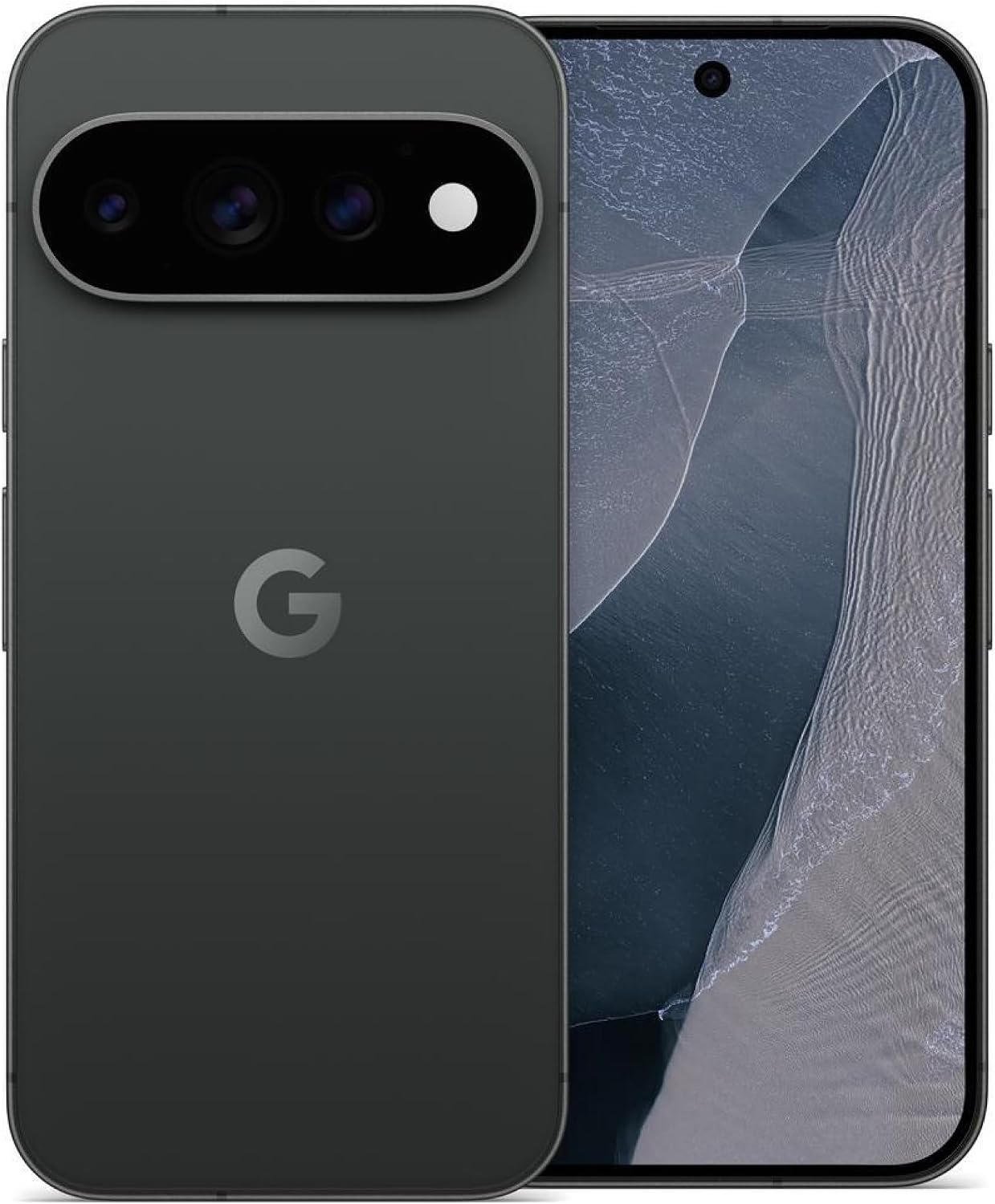
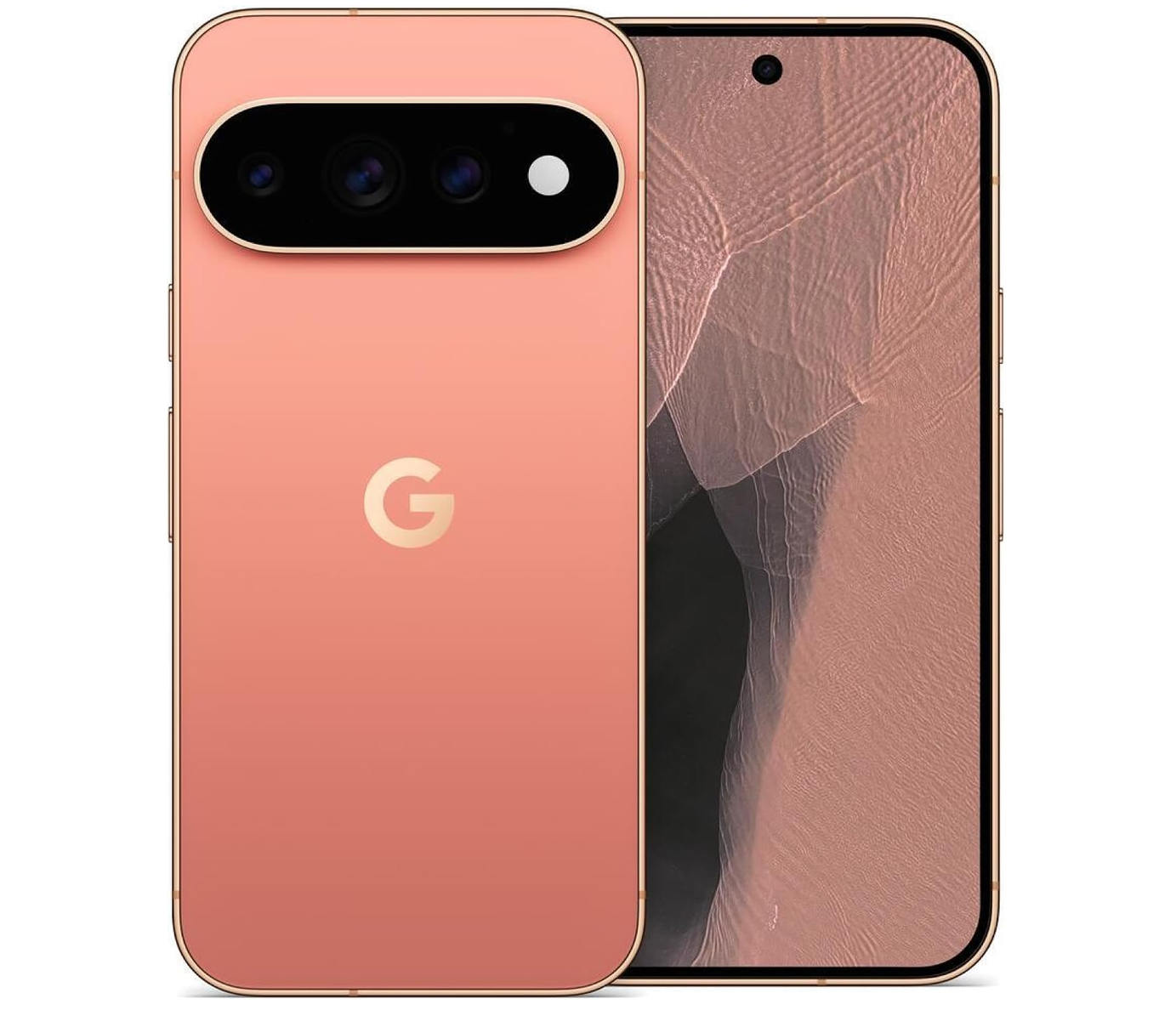
The construction combines Gorilla Glass Victus 2 on the front and back with an aluminium frame. The Fog finish provides a subdued alternative to the more prominent Canyon colour. An IP68 rating indicates resistance to dust and water under controlled laboratory conditions. Water resistance is not permanent, can diminish through wear or damage and does not mean the phone is waterproof. Liquid damage may also fall outside warranty protection.
Comprehensive modern connectivity
The unlocked model supports 5G and works with major compatible carriers, giving buyers the flexibility to change provider without replacing the handset. Network features and available bands remain dependent on the exact regional model and carrier. Google’s official specification includes Wi-Fi 7, Bluetooth 6, NFC, ultra-wideband and dual-band multi-constellation satellite positioning. The marketplace entry’s references to Wi-Fi 6E and AMPS are therefore inaccurate or poorly populated catalogue fields.
The phone supports dual SIM through one physical nano-SIM and an eSIM, subject to carrier availability. This can be useful for combining personal and work numbers or adding a local service while travelling. Its USB-C 3.2 port handles charging, data and compatible audio accessories. There is no 3.5mm headphone socket, despite Amazon describing USB-C as a “headphones jack.”
Who should consider this Google Pixel 11 Pro deal?
The Google Pixel 11 Pro is best suited to someone who wants a high-end Android phone without moving to a 6.7- or 6.8-inch body. Its 6.3-inch screen remains large enough for media and productivity, while the narrower dimensions make it more manageable in a pocket or one hand. Photography is the clearest reason to choose it. The combination of a large main sensor, autofocus ultrawide, 5x optical telephoto lens and Google’s processing covers a wide range of everyday situations without requiring extensive camera knowledge.
It also makes sense for users already invested in Google services. Gemini integration, Google Photos editing, call assistance, Pixel safety tools and rapid Android updates provide the most value when those services form part of the buyer’s daily routine.
The 256GB model should provide enough local storage for a substantial collection of applications, photographs and downloaded media. Buyers who record large quantities of 4K video or intend to keep the phone for many years may prefer the 512GB version, which also increases RAM from 12GB to 16GB and adds Zoned UFS storage.
Dedicated mobile gamers should compare alternatives carefully. Tensor G6 is responsive in daily use, but its graphics performance does not lead the flagship market. A Snapdragon-powered gaming handset may deliver stronger sustained performance, more extensive cooling and faster wired charging.
Recent Pixel 10 Pro owners are unlikely to find the upgrade essential. The brighter screen, larger telephoto sensor, Tensor G6, Qi2.2 charging and new software tools refine the experience rather than transform it. For someone upgrading from an older Pixel, a mid-range Android phone or an iPhone and looking for a compact camera-focused flagship, the Pixel 11 Pro is considerably more compelling. Its strongest qualities are the polished Android experience, long support period, flexible cameras and combination of a compact body with genuine Pro-level features.
More phone deals


Prices and savings can change. Check the retailer for the current price.
Written by
