


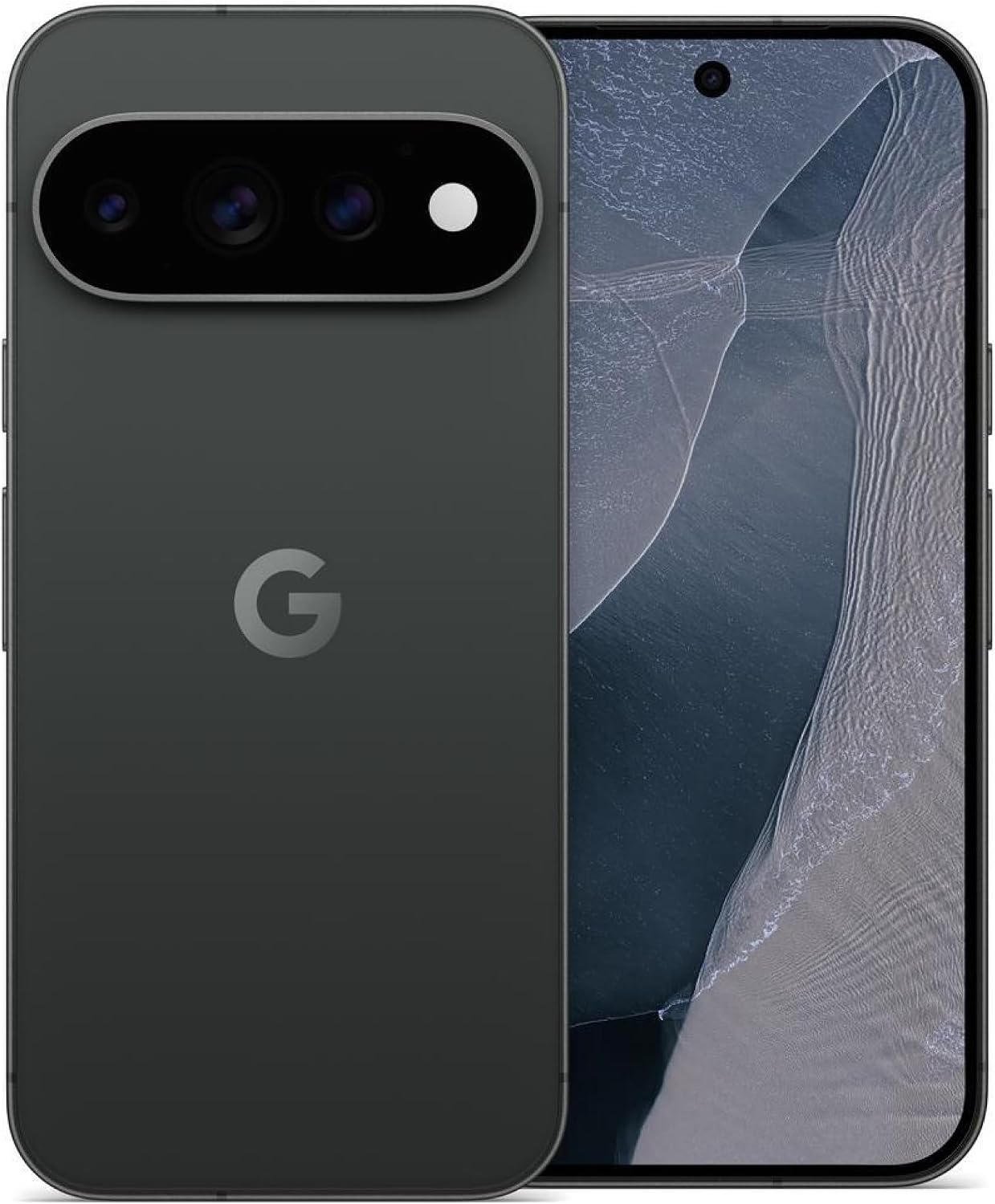
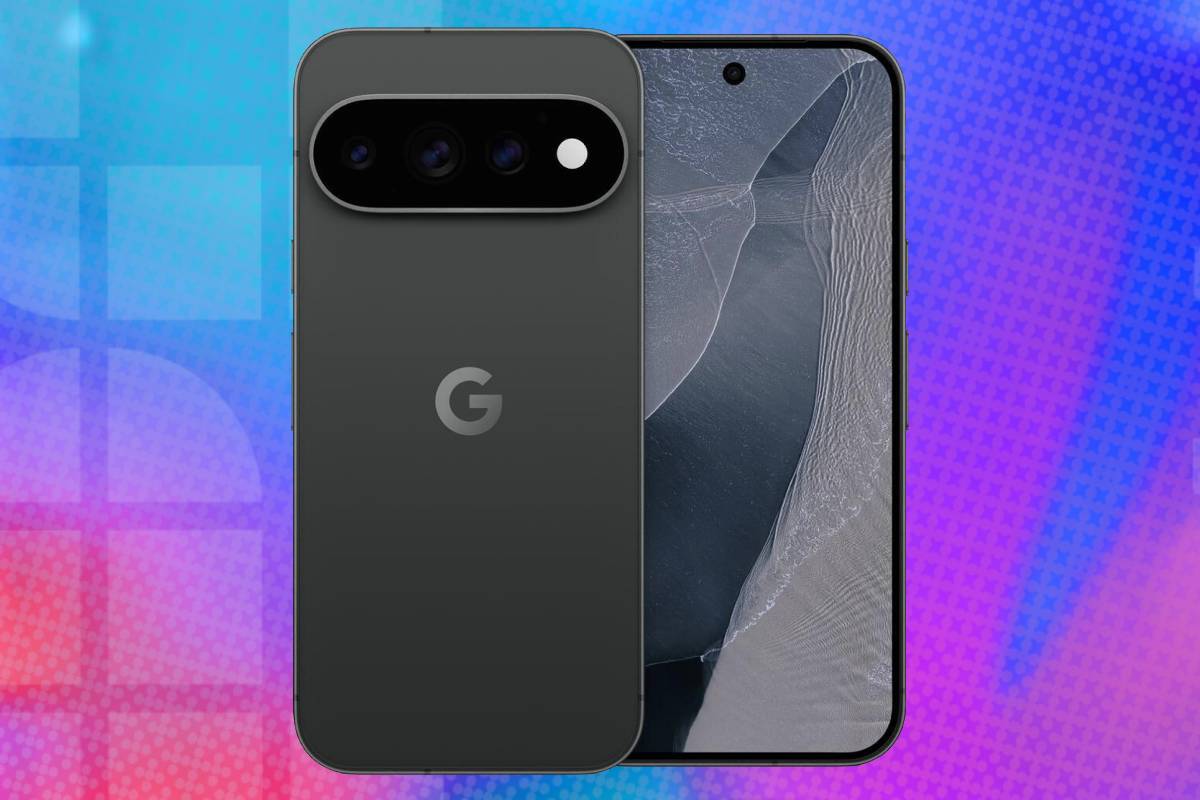
If you’re looking for a great Black Friday Android phone deal, this could be the one for you. The Google Pixel 11 Pro combines a manageable 6.3-inch design with Google’s most advanced camera hardware, 16GB of memory, 512GB of storage and seven years of software support. Its computational photography, 5x telephoto camera, bright LTPO display and tightly integrated Gemini features are more distinctive than its raw processor performance. The phone is most compelling for photography and Google-focused Android users. Pick it up now for 29% off the MSRP while this offer is still live!
🔥 More offers: see our Black Friday SSD deals 2026 guide, updated daily, or browse all Black Friday deals.
Prices and savings can change. Check the retailer for the current price.
Tensor G6 is designed around Google’s priorities in computational photography, speech processing, on-device AI and security. Everyday applications, browsing, communication and multitasking should feel responsive, especially with the larger memory allocation supplied in the 512GB model. Read on for more detailed info on the various specifications, or see the foot of this page for alternative smartphone deals.
Black Friday is finally here. Below, you'll find some of the biggest and best deals from this year's most exciting sales event!
- Samsung 49" Odyssey - was $1,268.29 now $854.98
- HP HyperX OMEN 16 OLED - was $3,199 now $2,399
- Acer Predator X32 X 4K QD-OLED 240Hz - was $999.99 now $649.99
- Samsung 9100 PRO 2TB SSD - was $679.97 now $349.99
- CyberPowerPC RTX 5060 Ti gaming PC - was $1,629.99 now $1,299.99
- LG 77-inch OLED C6 - was $2,499.99 now $1,899.99
- MSI Prestige 16 Flip - was $2,149 now $1,789
- Hisense 85-inch U6 Pro Series - was $1,999.99 now $947.99
Prices correct as of November 27th, 2026 (Black Friday evening).
What we like about the Google Pixel 11 Pro 512GB
Compact flagship dimensions
The Pixel 11 Pro provides Google’s full Pro camera system in a 6.3-inch body. It is a more manageable alternative to the 6.8-inch Pixel 11 Pro XL without dropping the main, ultrawide or telephoto cameras. Official dimensions are approximately 152.7 x 71.9 × 8.4mm, with a weight of 204g. It is not a small phone in the traditional sense, but it is easier to handle and pocket than many current Ultra and Pro Max models.
The polished aluminium frame and matte Obsidian glass finish give it a premium appearance. Gorilla Glass Victus 2 protects the front and back, while the revised camera bar extends across the upper rear surface. A protective case remains sensible. Glass can still crack or scratch, and the polished frame may show wear despite the phone’s premium materials.
Bright 6.3-inch Super Actua display
The Super Actua display uses a 1280 x 2856 LTPO OLED panel with a density of approximately 495 pixels per inch. Text, photographs and interface elements should therefore appear exceptionally sharp. Its adaptive refresh rate can range from 1Hz to 120Hz. The display can reduce its refresh frequency while showing static content to conserve power, then increase it for smoother scrolling, animation and supported games.
Google rates the panel for up to 2,400 nits with HDR content and up to 3,600 nits of peak brightness. Those figures are measured under particular conditions rather than across the full screen continuously, but reviewers have found outdoor visibility to be a genuine strength.
The display supports HDR, a contrast ratio above 2,000,000:1 and full 24-bit colour. Its high brightness and OLED black levels make it well suited to photography, video and navigation in difficult lighting. An anti-scratch shield supplements the Victus 2 cover glass. It improves durability but does not make a screen protector unnecessary for users who commonly carry a phone alongside keys, grit or other abrasive material.
Flexible triple-camera system
The rear camera array consists of a 50MP main camera, 48MP ultrawide and 48MP telephoto. This is considerably more informative than Amazon’s generic field stating only a 48MP rear camera. The main camera uses a relatively large 1/1.3-inch sensor and an f/1.68 aperture. It is intended to provide strong detail, broad dynamic range and dependable results across a wide variety of lighting conditions.
The 48MP ultrawide has autofocus, a 123-degree field of view and Macro Focus support. Autofocus allows it to capture close subjects as well as landscapes and group photographs. The telephoto camera provides genuine 5x optical zoom and optical image stabilisation. Google also claims optical-quality output at 10x by combining the sensor’s resolution with computational processing.
All three rear cameras contribute to a more consistent shooting experience than phones that pair a strong main camera with low-resolution secondary sensors. Colour and processing can still vary between lenses, particularly in low light, but the hardware foundation is appropriately premium.
120x Pro Zoom
The Pixel 11 Pro extends Google’s Pro Zoom system to a maximum of 120x. This allows distant subjects to fill the frame far beyond the 5x optical reach of the telephoto lens. The 120x setting is not optical zoom. It uses digital magnification, multi-frame processing and AI-assisted reconstruction, so results should not be treated as a literal recording of 120x optical detail.
Moderate zoom levels will generally provide the most natural results. The 5x telephoto and 10x optical-quality mode are more useful for routine photography, while the most extreme settings can help identify or share a distant subject when perfect fidelity is not required.
Heavy computational reconstruction can create detail that appears plausible without being present exactly as shown in the scene. This should be considered when photographing evidence, wildlife identification, documents or other subjects where factual accuracy matters.
Magic Capture
Magic Capture records a combination of video and still information, then automatically selects, crops and improves a collection of shareable moments. It is designed to reduce the need to choose between taking a photograph and recording a short event. The feature is useful for unpredictable subjects such as children, pets, sport and celebrations. It can preserve movement while also producing still images without requiring the photographer to time a conventional shutter press perfectly.
Processing occurs after capture, so the final collection may not appear immediately. Users should also review the selected images rather than assuming the automated choices will always match their intention.
Reviewers have generally regarded Magic Capture as one of the phone’s more convincing additions. Its value is clearer than AI features that simply duplicate tasks already handled efficiently by existing applications.
Improved low-light photography
Google says the larger telephoto sensor captures approximately 30% more light than the preceding design. Combined with optical stabilisation and computational processing, this should improve distant photographs in evening and indoor conditions.
Instant Night Sight reduces the delay associated with low-light capture. The upgraded image signal processor and Tensor processing unit help generate results more quickly, reducing the risk that a moving subject will leave the frame while processing begins.
As with all phone night modes, the final image is a computational combination rather than a single unprocessed exposure. Results can be impressive but may sometimes appear brighter, sharper or more saturated than the scene looked in person.
Strong front camera
The front camera is a 42MP autofocus unit with an f/2.2 aperture and a wide 103-degree field of view. Amazon’s 13MP field is incorrect. The wide view is useful for group photographs and video calls, while autofocus can keep the subject sharper across a broader range of distances than a fixed-focus selfie camera.
The field of view may be cropped automatically for an individual portrait. Users can switch to the wider framing when they need to include more people or surroundings.
Capable video features
The rear camera system supports 4K recording at up to 60 frames per second. Google also offers 8K output at 24 or 30fps through Video Boost processing.
Video Boost involves cloud processing rather than purely local, immediate 8K capture. It therefore requires upload time, network access and additional processing before the enhanced result becomes available.
Pro Stable Video, optical and electronic stabilisation, 10-bit HDR, Night Sight Video and Audio Magic Eraser expand the recording options. Slow-motion video is supported at up to 240fps at an appropriate resolution.
The front camera can also record 4K video. This is useful for high-quality video calls, vlogging and social content without relying entirely on the rear cameras.
Gemini Intelligence
Gemini is integrated throughout the Pixel experience rather than functioning solely as a separate chatbot. It can assist with writing, summarising, planning, searching and actions involving supported Google applications.
Gemini Live supports conversational interaction, while on-device Gemini Nano handles certain tasks without sending all processing to a remote service. The division between local and cloud processing depends on the feature.
Gemini Intelligence is intended to provide more proactive assistance using personal context across applications. This can reduce manual switching between email, calendar, maps and other services, provided the user is comfortable granting the required permissions.
AI features vary by country, language, account type and subscription. Some capabilities may require an internet connection or a paid Gemini plan after an introductory period, so the broad “Gemini Intelligence” label should not be interpreted as permanent access to every advertised function.
Generated responses can be wrong. Important appointments, directions, summaries and factual claims should be checked against the original source.
Pixel HiLight
HiLight uses illumination around the rear camera area to provide limited information while the phone is face down. It can glow when a favourite contact calls or when the user is interacting with Gemini. The idea is to communicate selected events without demanding attention from the full display. It also gives the Pixel 11 Pro a visual feature not present on the standard Pixel 11.
Its initial usefulness is narrow. Reviews note that the light currently responds to only a small number of situations, so it should not be confused with a fully programmable notification system. Users hoping to assign colours to every application or contact may find it restrictive unless Google expands the feature through later Pixel Drops.
30-plus-hour battery claim
The Pixel 11 Pro contains a typical 4,850mAh battery, with a rated minimum capacity of 4,707mAh. Amazon’s separate “battery power” value of 3,600 is incorrect and lacks a meaningful unit. Google claims more than 30 hours of battery life under its mixed-use test. Actual results will depend on signal strength, display brightness, camera use, gaming, navigation and AI processing.
Independent reviews have described battery life as adequate rather than class-leading. The compact Pro’s smaller capacity makes the larger Pixel 11 Pro XL more appropriate for users who prioritise endurance over size. The adaptive display, efficient storage and Tensor power management can help during lighter use. Intensive camera work, 5G connectivity and prolonged gaming will drain the battery much more quickly than Google’s controlled test.
Wired and Pixelsnap charging
Google rates wired charging at up to 55% in approximately 30 minutes with a compatible 30W or higher USB-C PPS charger. A power adapter is not included in the box. Pixelsnap provides magnetic alignment for Qi2.2-certified wireless charging at up to 25W. The magnetic system also supports compatible stands, wallets and other accessories.
Maximum wireless speed requires compatible charging hardware and favourable temperatures. Heat management may reduce charging power during prolonged use or in a warm environment.
The Pixel 11 series is not compatible with older Pixel Stand charging in the same way as earlier models. Buyers moving from an older Pixel setup should check accessory support rather than assuming every Google-branded charger remains suitable.
Seven years of updates
Google promises seven years of operating-system, security and Pixel Drop updates from the phone’s original US Google Store availability. This is one of the Pixel 11 Pro’s most important long-term advantages. Extended support makes it more realistic to keep the device after the conventional two- or three-year upgrade cycle. It also improves its suitability for a family hand-down or later resale.
The promise does not cover accidental damage or guarantee that every future feature will run on older hardware. Battery deterioration may also require service before the software-support period ends. The phone launched with Android 17. Amazon’s Android 16 specification is another catalog error.
Tensor G6 and Titan M3 security
The Tensor G6 includes a dedicated security core, while the Titan M3 coprocessor protects sensitive operations and credentials. Google also describes quantum-safe secure boot support in the hardware chain.
The phone includes anti-malware, anti-phishing, spam and scam protection, together with Google’s VPN service at no additional cost. These measures reduce risk but do not make unsafe downloads or fraudulent messages harmless.
Fingerprint and facial authentication are both supported. Users can choose the method that best suits the situation, with a PIN or password retained as the underlying fallback.
IP68 protection
The Pixel 11 Pro carries an IP68 rating for resistance to dust and water under controlled laboratory conditions. This provides useful protection against accidents and exposure to weather. IP68 does not mean the phone is permanently waterproof. Resistance can decline through wear, impacts or repairs, and liquid damage may not be covered by the ordinary warranty.
The device should not be deliberately used underwater or exposed to high-pressure water, salt water and other liquids based solely on the rating.
Modern wireless connectivity
Official specifications list Wi-Fi 7 across the 2.4GHz, 5GHz and 6GHz bands. Amazon incorrectly identifies the connection as Wi-Fi 6E. The phone also supports 5G, NFC and contemporary Bluetooth connectivity. Exact cellular bands and mmWave availability depend on the regional model and carrier.
This listing is for an unlocked US device, identified as GA11760-US. It is intended to work with major US networks, but buyers should confirm carrier band, eSIM, Wi-Fi calling and activation support before purchase. “Unlocked” means the handset is not restricted to one carrier. It does not guarantee that every carrier feature will function in every country.
512GB storage and 16GB RAM
The 512GB tier provides substantial local space for applications, offline media and high-resolution camera files. It also receives 16GB of memory instead of the 12GB fitted to the 256GB version. Zoned UFS is intended to improve storage efficiency and performance by organising writes more effectively. The benefit is largely transparent to the user rather than being a feature that requires configuration.
Available storage will be lower than 512GB after decimal-to-binary conversion, Android system files, recovery data and preinstalled applications are accounted for. Cloud backup remains advisable even with generous internal capacity. Losing or damaging the phone can otherwise remove years of photographs and documents at once.
Who should buy this Pixel 11 Pro deal?
The Pixel 11 Pro 512GB is best suited to someone who wants Google’s complete camera system in a comparatively compact flagship. It is especially compelling for frequent photography, telephoto use and users who value Google’s computational processing more than manual camera control alone. It is also a strong choice for people who prefer the clean Pixel version of Android, prompt updates and long software support. Owners of Google services and compatible smart-home products will receive the most seamless experience.
The 512GB model makes sense for users who record substantial video, download large media libraries or plan to keep the phone for many years. Its 16GB of RAM also makes it preferable to the 256GB version for heavy multitasking and future AI features.
It is less suitable for competitive mobile gamers seeking the highest sustained graphics performance. A Snapdragon-based gaming phone or another performance-focused flagship may deliver better frame rates and thermal behaviour.
Pixel 10 Pro owners should evaluate the camera additions, Magic Capture, HiLight and storage requirement carefully. The design and general experience are evolutionary, so upgrading after only one generation may offer limited value.
The phone becomes much more attractive when discounted from its premium launch price. Its camera, display and long support period are strong, but buyers should not pay extra based on the incorrect Tensor G4, Android 16 or 13MP camera data in Amazon’s catalog.
Alternative Black Friday smartphone deals

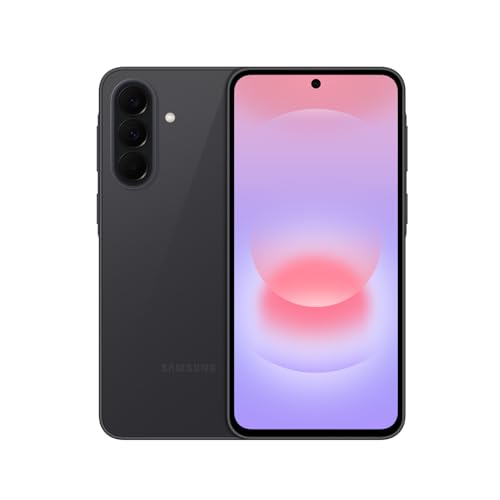
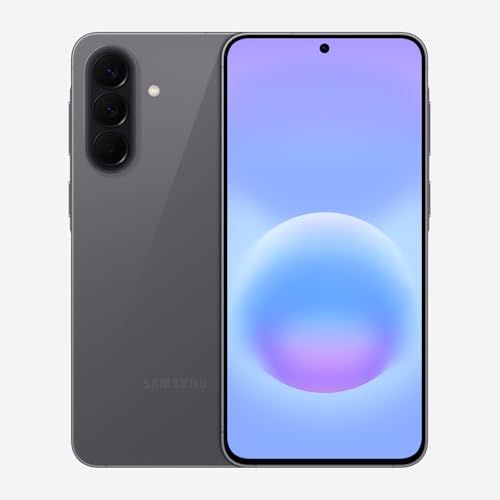


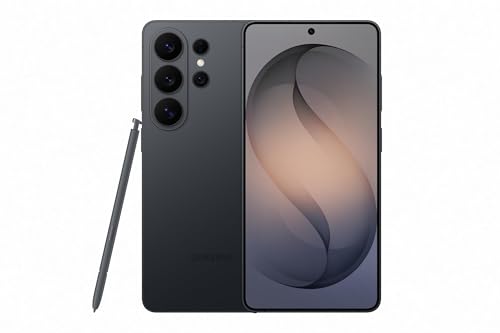
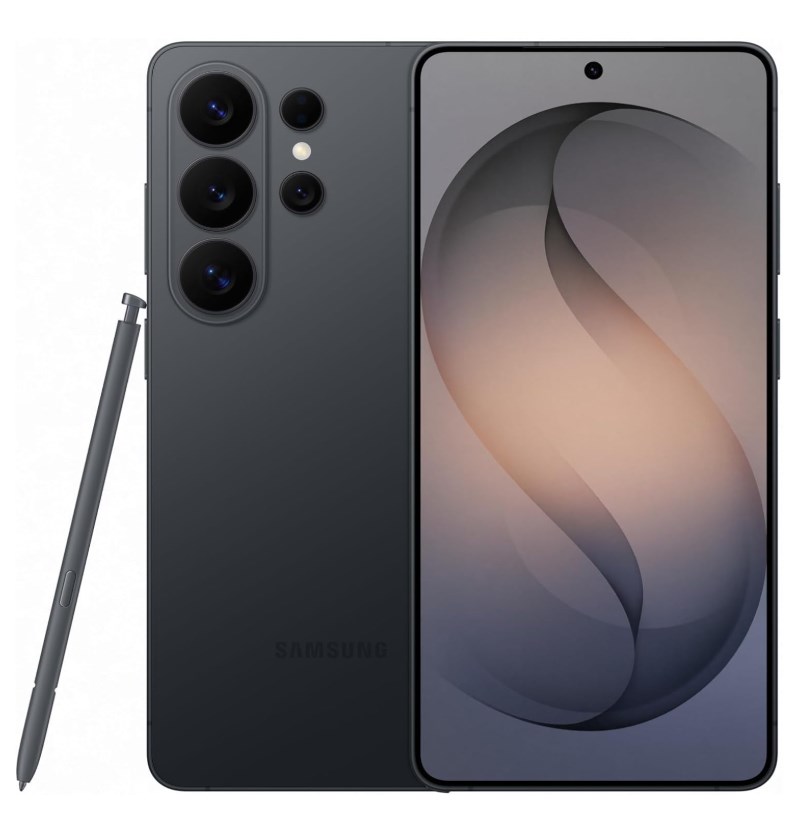
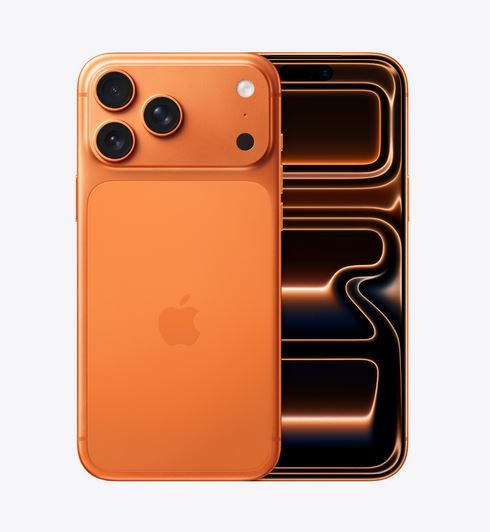


Prices and savings can change. Check the retailer for the current price.
Written by
