


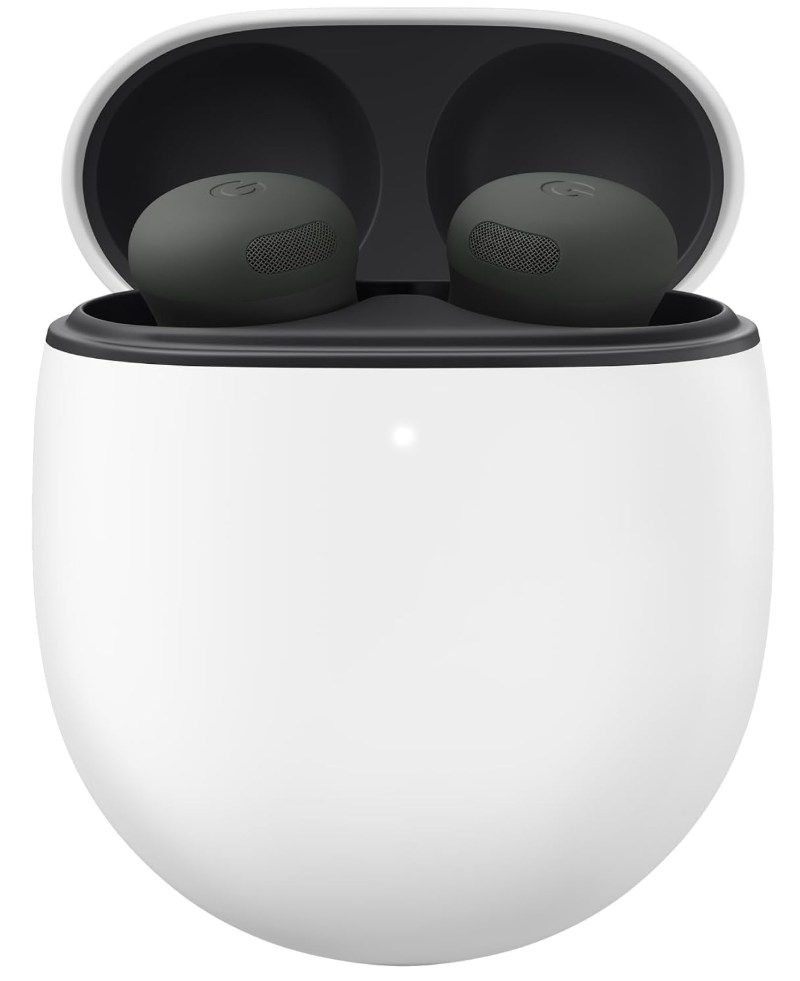
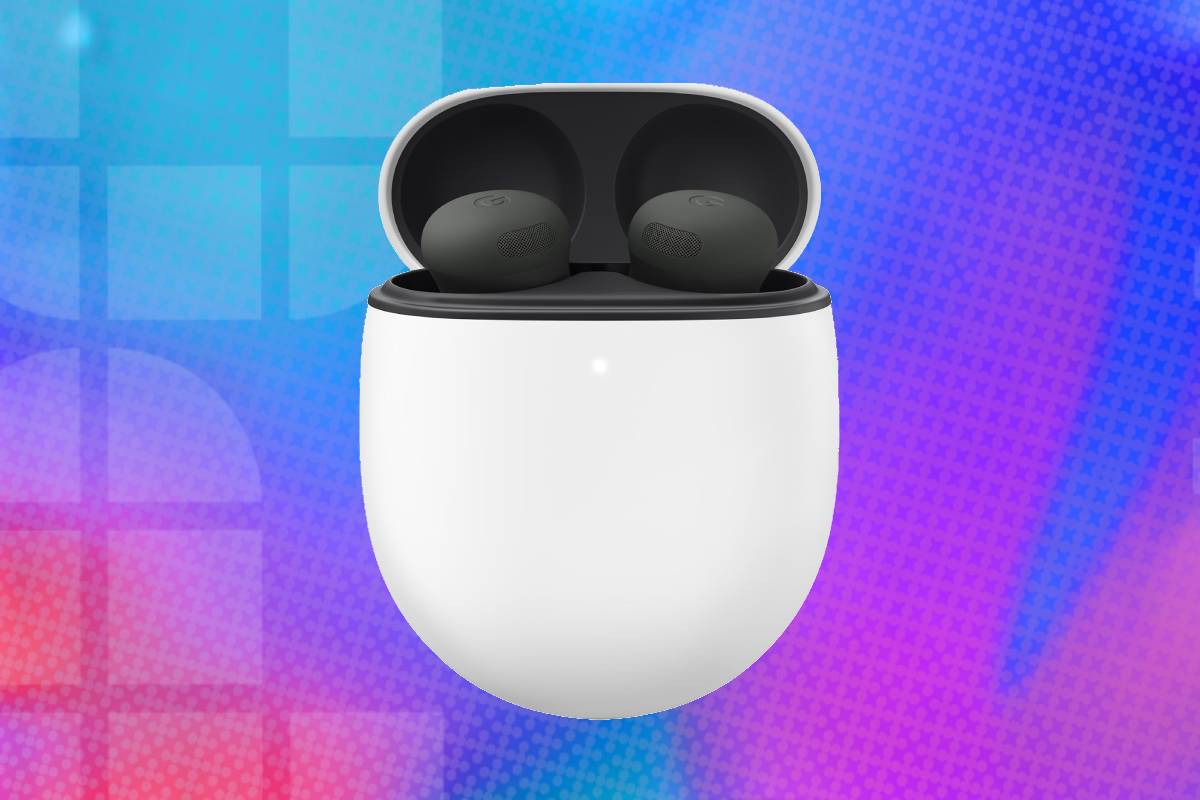
If you want a pair of quality earbuds for an Android phone user this Black Friday, this Google Pixel Buds Pro 2 deal could be the one for you. These buds combine a secure, comfortable fit with effective noise cancellation, useful Android integration and unusually strong battery life for premium earbuds. Their compact design and twist-to-adjust stabilisers make them particularly appealing for commuting, exercise and extended everyday listening. The Pixel Buds Pro 2 use Google’s Tensor A1 processor to manage sound, noise cancellation and voice features: Google says the system can cancel up to twice as much noise as the original Pixel Buds Pro. They work with most Bluetooth devices, but their best features require Android – and Pixel phone owners receive the most complete experience. Pick up these earbuds now in this Black Friday deal for just $167.
🔥 More offers: see our Black Friday headset deals 2026 guide, updated daily, or browse all Black Friday deals.
Prices and savings can change. Check the retailer for the current price.
If you’re looking for more information on the specifications of these fine earbuds, read on below. ALternatively, see the bottom of this page for more Black Friday earbud and headphone deals.
Black Friday is finally here. Below, you'll find some of the biggest and best deals from this year's most exciting sales event!
- Samsung 49" Odyssey - was $1,268.29 now $854.98
- HP HyperX OMEN 16 OLED - was $3,199 now $2,399
- Acer Predator X32 X 4K QD-OLED 240Hz - was $999.99 now $649.99
- Samsung 9100 PRO 2TB SSD - was $679.97 now $349.99
- CyberPowerPC RTX 5060 Ti gaming PC - was $1,629.99 now $1,299.99
- LG 77-inch OLED C6 - was $2,499.99 now $1,899.99
- MSI Prestige 16 Flip - was $2,149 now $1,789
- Hisense 85-inch U6 Pro Series - was $1,999.99 now $947.99
Prices correct as of November 27th, 2026 (Black Friday evening).
What we like about the Google Pixel Buds Pro 2 wireless Bluetooth earbuds
A smaller and more comfortable design
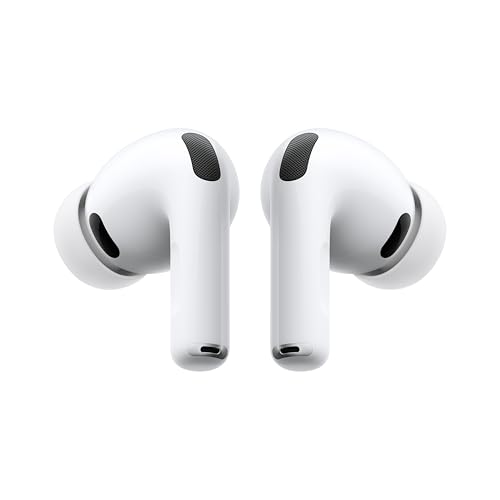
Google substantially reduced the size and weight compared with the original Pixel Buds Pro. Each earbud weighs approximately 4.7g, helping them feel less intrusive during extended listening. The rounded body sits largely within the ear rather than projecting outward. This reduces leverage when walking or exercising and makes the earbuds less likely to catch on hats and clothing.
Comfort still depends on individual ear shape. In-ear products can create pressure or irritation for some people, and no design can guarantee a good fit for everyone. Four ear-tip sizes are supplied: extra small, small, medium and large. Trying each size is worthwhile because a weak seal reduces bass response and makes Active Noise Cancellation less effective.
Twist-to-adjust stabilisers
A small stabilising fin is integrated into each earbud. Rotating the earbud in one direction secures the stabiliser against the ear, while adjusting it the other way provides a more relaxed fit. This allows the same earbuds to accommodate different activities. A secure position is useful for running and gym sessions, while the relaxed setting can feel more comfortable during office work or travel.
The stabiliser is part of the earbud rather than a removable wing. That keeps the design compact and avoids another accessory that could be misplaced.Fit should still be checked before intense exercise. Sweat, ear shape and rapid movement can affect stability regardless of the stabiliser’s position.
Effective Active Noise Cancellation
Silent Seal 2.0 adapts the noise-cancellation processing to the wearer and surrounding environment. The Tensor A1 chip analyses external sound and generates an opposing signal intended to reduce what reaches the listener. The system performs particularly well with persistent low-frequency noise. Engine rumble, air conditioning and general transport noise become considerably less intrusive, allowing music to remain audible at a lower volume.
Noise cancellation depends on the ear tips creating a proper seal. If one earbud feels noticeably weaker or produces less bass, changing tip size and reseating it may resolve the problem. Google’s claim of cancelling twice as much noise refers to comparison with the previous Pixel Buds Pro. It does not mean the earbuds remove twice as much noise as every competing product.
Adaptive Audio and Loud Noise Protection
Adaptive Audio blends aspects of noise cancellation and Transparency mode. It automatically adjusts how much environmental sound enters based on the surroundings, helping the wearer remain aware without exposing them to every distraction at full volume. This is useful when moving between a quiet room, a busy street and public transport. It reduces the need to change listening modes manually each time the environment changes.
Loud Noise Protection can reduce the impact of sudden high-volume environmental sounds, such as sirens or construction noise. It is a convenience feature and should not be treated as certified hearing protection.
Adaptive processing consumes additional power and can alter how music sounds as the environment changes. Users who prefer a completely consistent presentation may choose fixed ANC or Transparency modes instead.
A natural Transparency mode
Transparency mode uses the external microphones to pass surrounding sound through the earbuds. This is useful for conversations, public announcements and situations where awareness is important. Independent reviewers generally find the effect convincing, with less of the artificial or heavily processed character produced by weaker ambient modes. Wind can still create interference, especially outdoors.
Conversation Detection can recognise when the wearer begins speaking, pause or reduce the media and switch to Transparency mode. Playback resumes after the conversation ends. Automatic detection is convenient but can trigger when singing or talking to oneself. The feature can be disabled if those interruptions become annoying.
Google Tensor A1 processing
The Tensor A1 chip handles noise cancellation, audio processing and voice interaction. Google says it processes environmental sound independently from the direct audio path, helping preserve music quality while ANC remains active.
Custom processing also enables features such as Clear Calling, Conversation Detection, Adaptive Audio and tight Gemini integration. Some capabilities were expanded after launch through firmware updates. The name should not be confused with the Tensor processors used in Pixel phones. Tensor A1 is a specialised earbud chip rather than a general-purpose smartphone processor.
Balanced everyday sound
The 11mm dynamic drivers produce an engaging sound suitable for pop, electronic music, hip-hop, podcasts and video. Bass has weight without completely overwhelming vocals, while the treble provides enough presence to keep speech clear.
They are not necessarily the strongest choice for listeners seeking a perfectly neutral reference response. Measurements and listening tests have identified timing and phase behaviour that can make bass definition and vocal placement less precise than on some audiophile-focused alternatives.
The equaliser helps compensate for personal preference. Users can create a lighter bass response, bring vocals forward or add treble without purchasing a separate audio application.
Codec support is relatively limited for premium Android earbuds. They support SBC, AAC and Bluetooth LE Audio rather than high-bitrate codecs such as LDAC or aptX Adaptive. Connection quality, tuning and fit can matter more than codec choice in everyday use, but enthusiasts may still view the omission as a drawback.
Spatial audio with head tracking
Compatible Pixel devices can provide spatial audio with head tracking for supported films and other content. The soundstage responds as the wearer turns their head, creating the impression that audio remains anchored to the screen.
The effect can make films more immersive, but it does not improve every type of content. Conventional stereo music may sound more natural with spatial processing disabled.
Head tracking and the complete spatial-audio implementation require compatible hardware and software. Buyers using an iPhone, laptop or non-Pixel Android phone should not assume every spatial feature will be available.
Gemini voice assistance
Pixel Buds Pro 2 support voice access to Gemini on compatible Android devices. Users can ask questions, create reminders, work through ideas and use Gemini Live for more conversational interactions without repeatedly handling the phone.
The microphones, voice accelerometer and Tensor processing are designed to identify speech in noisy environments. Performance still varies with wind, nearby voices, network quality and the connected phone.
Gemini requires a Google Account, internet access and compatible software. Certain capabilities may also depend on region, language, device model or a paid service tier.
The earbuds do not independently run the complete Gemini service. They act as the audio interface while the connected phone and Google’s services process the request.
Clear Calling and six microphones
Each earbud contains three microphones, giving the pair six in total. Beamforming, a voice accelerometer and wind-blocking mesh help separate the wearer’s speech from environmental sound.
Calls are generally clear in quiet and moderately noisy locations. Independent testing has found that the microphones can struggle to reject complex background noise, so they should not be expected to match a headset with a microphone positioned close to the mouth.
Super Wideband voice support can improve call clarity on compatible devices and services. Both sides of the connection must support the necessary technology for the full benefit to be available.
The retailer’s description of “beamforming microphones” is broadly reasonable, but specifications such as a 120-ohm impedance are not meaningful in the same way they would be for conventional wired headphones.
Strong battery life
With ANC enabled, Google rates the earbuds for up to eight hours and the combined system for 30 hours. Without ANC, those figures increase to 12 and 48 hours respectively.
The product title’s 30-hour claim therefore refers to total listening time using the charging case with noise cancellation switched on. It does not mean the earbuds play continuously for 30 hours between visits to the case.
A five-minute charge provides up to one hour of playback with ANC enabled or approximately 90 minutes with it disabled. Fast charging is useful when the earbuds have been left empty before a journey or workout.
Battery capacity will gradually decline as the earbuds age. The cells are not designed for straightforward user replacement, which is common among compact true-wireless products.
USB-C and Qi wireless charging
The case charges through USB-C and also supports Qi-certified wireless charging. This provides flexibility for users who already have a wireless charging pad.
A USB-C charging cable is not clearly included in the retailer’s box-content list. Buyers without a suitable cable and power source should verify the package contents rather than assume that every accessory is supplied.
Wireless charging is convenient but generally creates more heat and wastes more energy than a wired connection. USB-C remains preferable when charging speed and efficiency are priorities.
Find Hub support for the earbuds and case
The charging case contains a speaker that can emit a ringtone through Google’s Find Hub system. This makes it easier to locate the case when it is hidden beneath furniture or inside a bag.
The individual earbuds can also be located through supported Google tools. Available precision and map functions depend on the connected device, account settings, network participation and the earbuds’ remaining power.
Find Hub functionality can be helpful but is not infallible. Reviewers have reported occasional reliability problems, and a discharged device cannot actively communicate in the same way as one with available power.
Touch controls with volume adjustment
Capacitive surfaces allow the wearer to control playback, calls, listening modes and voice assistance. Swiping adjusts volume directly from the earbuds, avoiding the need to reach for the phone.
The touch controls are convenient but can be activated accidentally while adjusting the fit. Learning to grip the sides rather than pressing the outer surface reduces unintended commands.
In-ear detection uses infrared sensors to pause playback when an earbud is removed and resume it when replaced. The behaviour can be adjusted through the associated settings on compatible Android devices.
Multipoint and Audio Switch
Multipoint allows the earbuds to maintain connections with more than one compatible Bluetooth device. This is useful for moving between a work computer and a phone without repeatedly opening Bluetooth settings.
Google’s Audio Switch can move playback between compatible Android devices associated with the same account. The experience is most seamless inside Google’s ecosystem.
Ordinary Bluetooth pairing still allows the earbuds to work with iPhones, iPads, Windows PCs, Macs and other devices. Advanced Google features and configuration controls are more limited outside Android.
Bluetooth 5.4 rather than Bluetooth 4
The earbuds themselves use Bluetooth 5.4 and support Super Wideband and Bluetooth LE Audio features. The retailer table incorrectly lists Bluetooth 4.0 as the earbud version.
Google’s statement that they work with Bluetooth 4.0 or newer devices describes minimum compatibility for the connected source. It does not mean the Pixel Buds Pro 2 contain a Bluetooth 4.0 radio.
Connection stability depends on the source device, radio conditions and software. Crowded environments can still cause interference even when both products support a recent Bluetooth standard.
IP54 earbuds and an IPX4 case
The earbuds carry an IP54 rating, indicating protection against limited dust ingress and splashing water. This makes them appropriate for workouts, sweat and light rain. The charging case has a lower IPX4 water-resistance rating. The “X” means it does not carry a specified dust-protection rating.
Neither the earbuds nor the case is waterproof. They should not be submerged, used for swimming or placed in the charging case while wet. Water resistance can diminish through wear, impact and repairs. Liquid damage may not be covered in the same way as an ordinary manufacturing fault.
Compact charging case
The pebble-shaped case is small enough for most pockets and uses magnetic recesses to hold the earbuds. Its rounded edges make it comfortable to carry but can also make it slide on smooth surfaces. The retailer’s colour descriptions are inconsistent, alternately calling the case white, Hazel and describing different interior colours. Officially, Hazel identifies the earbud colour option; minor case details should be checked against the product photographs for the exact regional unit.
The full package should include the earbuds, charging case, four ear-tip sizes and documentation. “Ear cushions” in the retailer list appears to be another description for the supplied silicone tips rather than a separate accessory.
Who should consider this Google Pixel Buds Pro 2 deal?
The Google Pixel Buds Pro 2 are best suited to Android users who want compact premium earbuds with good noise cancellation, long battery life and useful voice features. Pixel phone owners receive the most integrated experience, including supported spatial audio, Audio Switch and Gemini functionality. They are also a strong option for commuters and frequent travellers. Effective low-frequency noise reduction, up to eight hours of ANC playback and a pocketable wireless-charging case address the main requirements for trains, aircraft and office use.
The twist-to-adjust fit and IP54 rating make them suitable for running and gym sessions, provided the user’s ear shape works well with the stabilisers. They are water-resistant rather than waterproof and should not be used for swimming.
People who regularly move between an Android phone and a computer may appreciate multipoint connectivity. Users primarily invested in Apple products will obtain basic Bluetooth playback and calls but lose some of the integration that justifies choosing Google’s earbuds. Audiophiles seeking high-bitrate codecs or the most neutral possible sound should consider alternatives. The Pixel Buds Pro 2 prioritise comfort, convenience and intelligent features over specialist wired-headphone accuracy.
They are also not the ideal choice for someone whose main requirement is microphone performance in very noisy locations. The call system is competent, but independent testing indicates that complex background noise can still overwhelm voice isolation.
At a discounted price, the combination of comfort, battery life, ANC and Android integration makes the Pixel Buds Pro 2 highly competitive. At full premium pricing, buyers should compare them with the latest Sony, Bose and Samsung alternatives, particularly if maximum noise cancellation or audio fidelity matters more than Google ecosystem features.
More Black Friday earbud deals
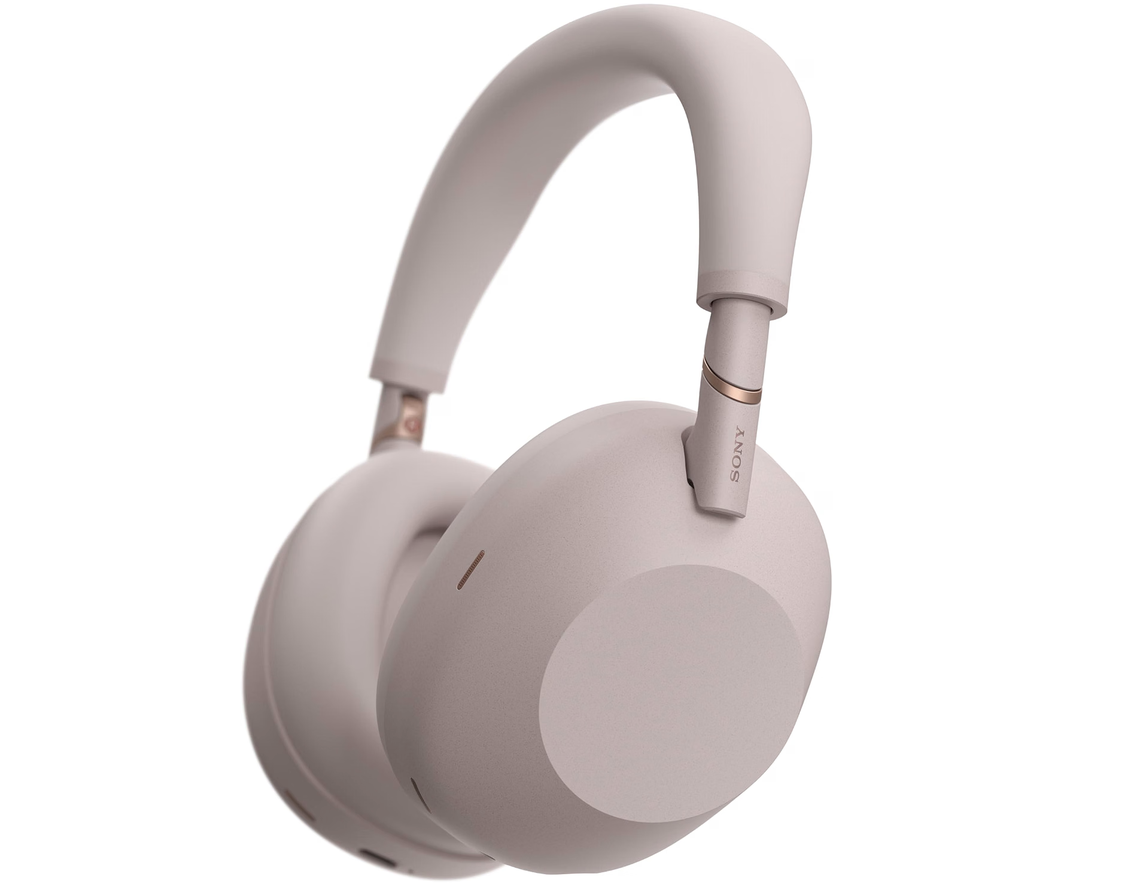


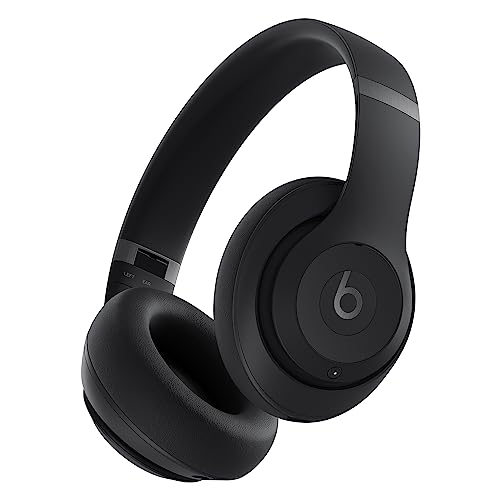








Prices and savings can change. Check the retailer for the current price.
Written by
