
Now even the RTX 5080 has a melting cable issue and this time it’s not the Founders Edition


Table of Contents
Just yesterday, we covered reports of burning cable issues with Nvidia’s new RTX 5090 Founder’s Edition graphics card, where users shared pictures of their GPU cables burned on one side. Now, another card from the lineup has joined the list, and this time, it’s an RTX 5080 experiencing the same issue. However, it’s not as bad as what we saw with the RTX 5090 GPUs so far.
Reddit user Ambitious_Ladder1320 shared their experience, stating that their ASUS RTX 5080 started flashing a red light, which usually indicates an improperly connected cable. In response, they reseated it, and after restarting, the issue went away, but the GPU then slowed to PCIe Gen3 speeds. As a result, their monitor’s refresh rate and resolution dropped. That is when they discovered that the PSU end of the 12VHPWR connector was completely damaged. The GPU side, however, remained unaffected.


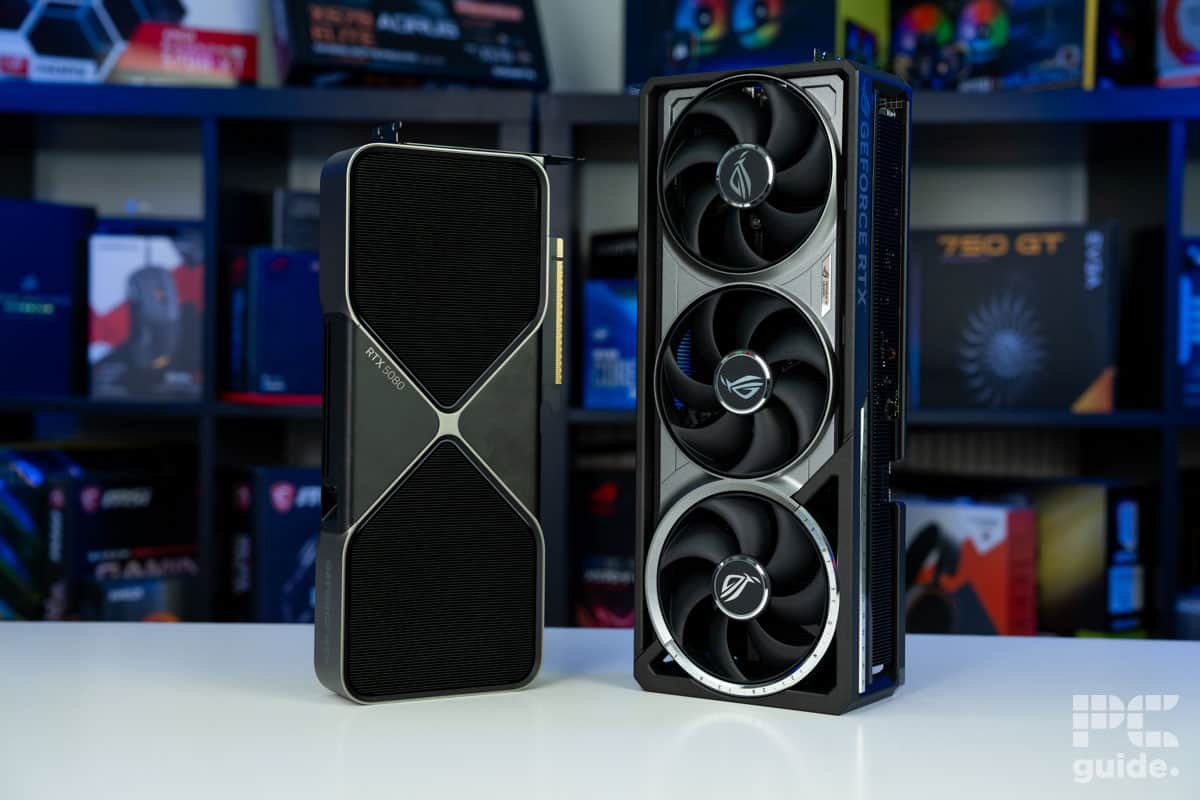


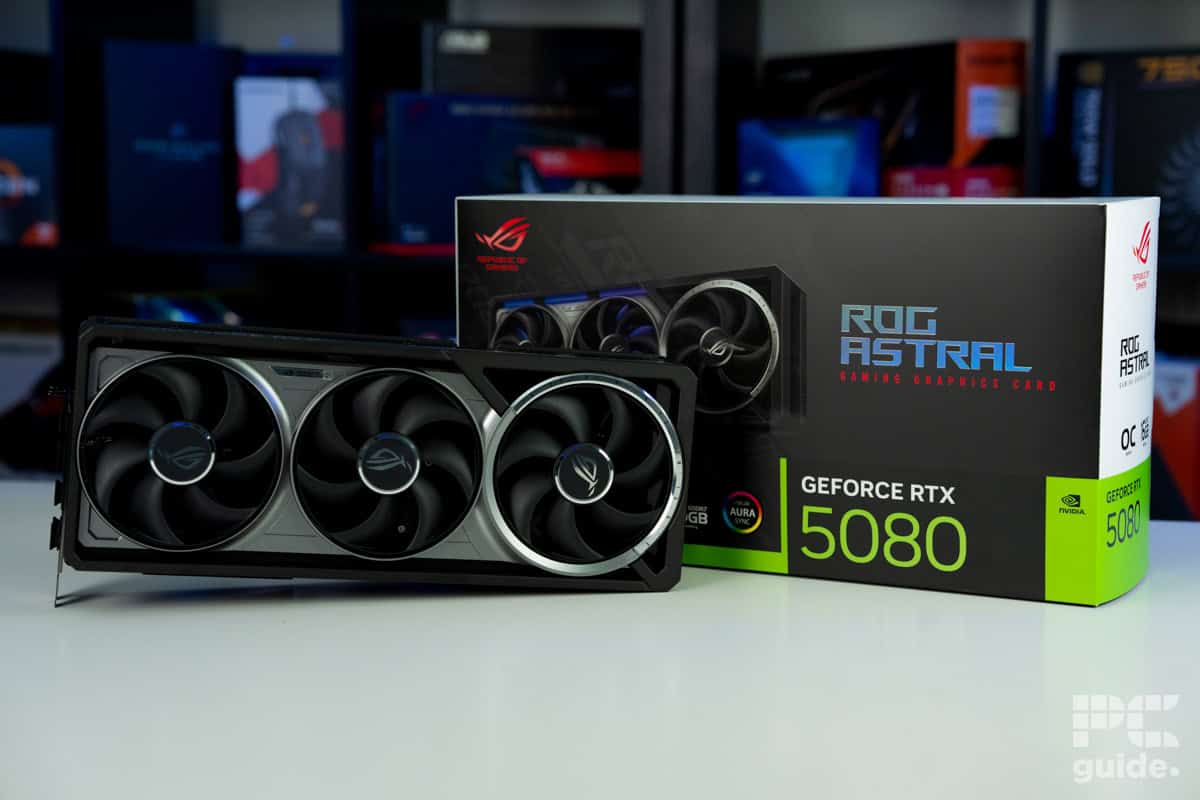

- GPU: GB203
- CUDA Cores: 10,752
- VRAM: 16GB GDDR7
- Memory Bus Width: 256 bit
- Base Clock Speed: 2,295 MHz
- Boost Clock Speed: 2,790 MHz
Two different graphics cards, but the same PSU
Now things get interesting, as the RTX 5080 owner had the same power supply – the ASUS ROG Loki 1000W – as the person who first reported the burning cable issue with their RTX 5090. A coincidence? Perhaps. This has led people to believe that the issue might not stem from the GPU but rather from the PSU side, which could explain why two users with the same unit experienced it. But hold your horses, the PSU might not be the culprit here.
Latest PC & Tech deals
- AMD Ryzen™ 9 9900X 12-Core - was $499 now $337
- iBUYPOWER Element Gaming PC - was $1,999 now $1,699
- LG 27GX700A-B 27-inch Ultragear- was $599 now $485
- Samsung SSD 9100 PRO 1TB - was $339 now $249
- HP OmniBook 5 16 inch - was $961 now $799
Prices correct as of September 21st, 2026.
We say this because Tech YouTuber Der8auer did a deep dive into the issue after the first reports. He revealed that one of the GPU cables of the RTX 5090 was carrying over 22 amps, more than 260W, through a single wire, leading to extreme temperatures of around 150 degrees Celsius. Normally, these cables should carry only 5 to 6 amps, while some in his tests transported as little as 2 amps. The PSU powering it all was not an ASUS unit but a Corsair power supply. So perhaps the issue here is one for Nvidia to address.
Maybe a fundamental flaw with the RTX 50 series GPUs
All of this points to one concerning fact – there might be a circuit design flaw with the RTX 50 series as the GPU shouldn’t be showing this uneven current distribution in the first place, definitely not over 22 amps. Since most of the images shared of this burning cable issue all have one of the pins burned this should be a clear indicator that the GPU is not able to balance the load across the cable. This was something that Nvidia potentially addressed in their RTX 5090 and 4090 prototypes but scrapped the idea for some reason.

On the other hand, some believe that, as Nvidia ruled out, this might be a user error since the original poster is using an “incredibly old version” of the cable, and those with newer ATX 3.1 cables haven’t reported any issues yet. However, one thing is certain – this is not a good look for Nvidia, especially with gamers waiting for RTX 5090 and 5080 stock to return. At this point, many PC gamers are looking forward to AMD’s RX 9070 XT instead.
About the Author