

Samsung unveils durable Flex Titanium display technology to reduce screen crease on future foldable phones

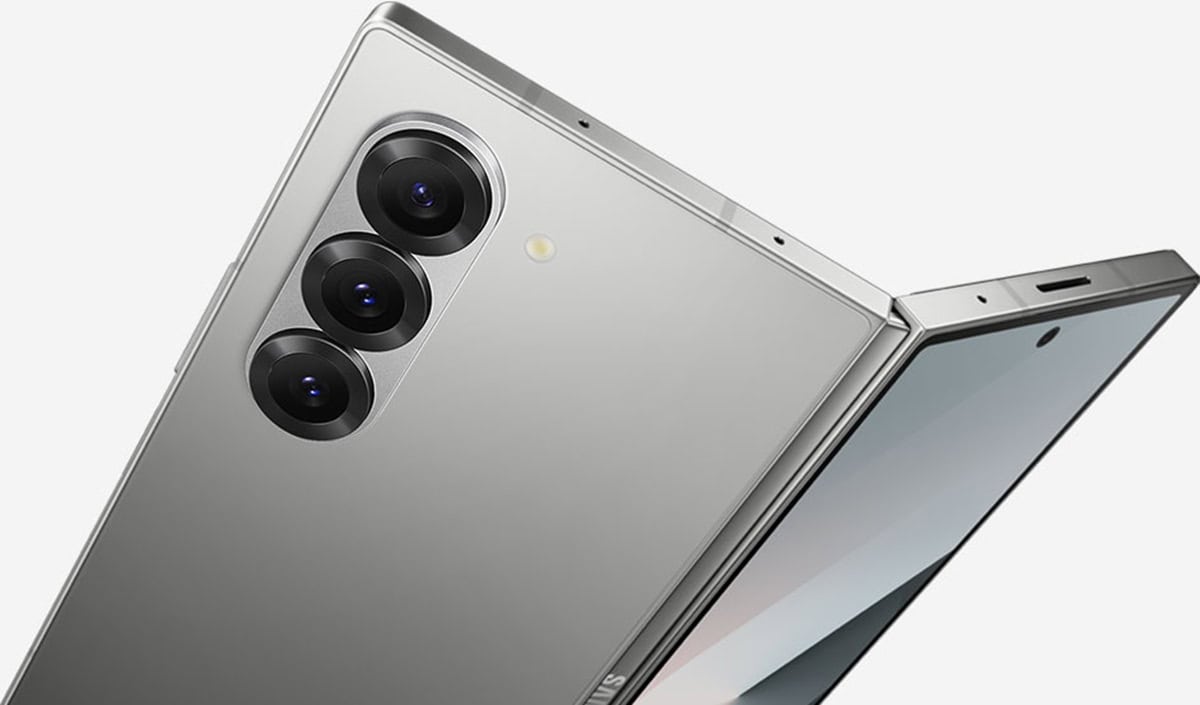
Table of Contents
Samsung has officially introduced a new display technology that will power its next generation of foldable smartphones. Called Flex Titanium, the new design focuses on two of the biggest challenges foldable phones have faced over the years: screen durability and the visibility of the crease that forms where the display folds.
The company says the technology is the result of seven generations of foldable development and will make its debut in the upcoming Galaxy foldable lineup, which is expected to be unveiled at the next Galaxy Unpacked event. Samsung has already announced the time & date – July 22 at 2 PM BST (local time) in London.
How does Flex Titanium work?
According to Samsung, Flex Titanium is a redesigned display structure that combines two titanium-based components to improve both strength and flexibility without making the device thicker. The company says the goal was to create a display that can better handle repeated folding while also offering a cleaner viewing experience with a less noticeable crease.
Latest tech deals.
- AMD Ryzen™ 9 9900X 12-Core - was $499 now $328
- CORSAIR 4000D PC Case - was $124.99 now $75.99
- Hisense 65" Class E6SR - was $549 now $377.99
- Apple 2026 MacBook Air - was $1,999 now $1,799
- Skytech Gaming PC Desktop (9850X3d) - was $4,299 now $3,799
- Apple Magic Mouse - was $79 now $59
- MSI Prestige 16 Flip - was $2,149 now $1,899
- Kotin 9700X Gaming PC - was $2,399 now $2,199
Prices correct as of October 9th, 2026.
The first part of the new design is a titanium-alloy film placed underneath the OLED panel. Samsung says this film is around 20 times stiffer than the polymer films used in earlier designs, despite being extremely thin. The company claims it measures roughly one-third the thickness of a human hair, allowing the display to remain slim while providing additional structural support.

Underneath the film sits a flexible titanium plate that supports the entire display module. Samsung says it has redesigned this layer to remove air gaps between the display module and the supporting plate, creating a tighter bond and improving stability when the phone is unfolded. At the same time, the structure remains flexible enough to withstand repeated folding over the lifetime of the device.
Samsung also revealed that the display uses a new high-resolution architecture and next-generation organic materials. Besides improving image quality, these changes are said to lower power consumption, which could help improve overall efficiency on future foldable devices, such as its popular Galaxy Z Flip and Galaxy Z Fold ranges.
The company says developing Flex Titanium required overcoming several engineering challenges. While titanium is known for being lightweight and highly durable, it is also difficult to use in thin, flexible products because of its stiffness. Samsung says it spent years refining both the materials and the display structure to make the technology suitable for foldable smartphones.
About the Author