Someone made a DIY AI companion with a Raspberry Pi-powered voice assistant and we want one

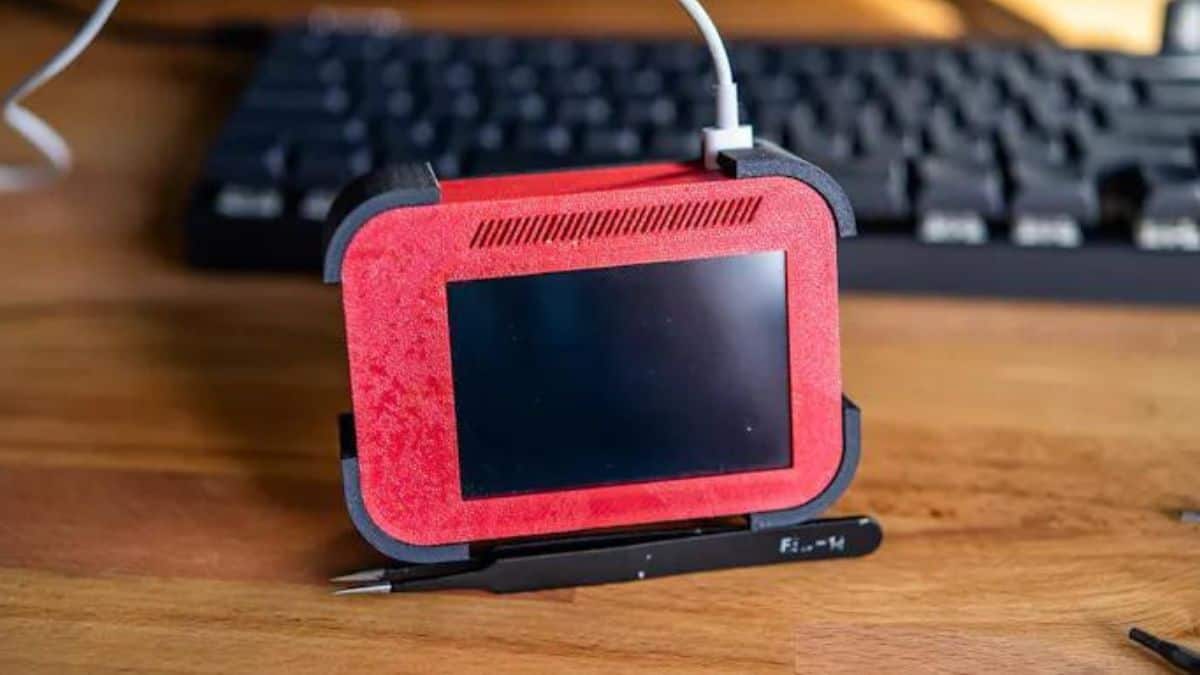
Table of Contents
A tech enthusiast has created a personal AI assistant using a Raspberry Pi 4B, open-source software, and a secure VPN connection. The project, which leverages the power of voice recognition and large language models, offers a private and customizable alternative to commercial AI assistants. Creator Adam Frydrych has detailed the model in full via the community hardware website Hackster.
As you may know, the Raspberry Pi is the perfect device for homemade projects like this and has a large community of people showing off their projects from time to time. For example, we recently covered a modular mini-computer and 10″ touchscreen laptop using the humble RasPi.
DIY AI assistant with Raspberry Pi 4B

The DIY AI assistant combines several key technologies:
- VOSK: An offline speech recognition engine that runs locally on the Raspberry Pi.
- Ollama: A large language model capable of understanding and responding to natural language queries.
- NordVPN’s Meshnet: A secure VPN service that creates a private network connection between the Raspberry Pi and the PC hosting Ollama, ensuring data privacy and security.
By integrating VOSK, Ollama, and a Raspberry Pi, the creator has built a system that can listen to spoken language and convert it into text using VOSK, process the text input and generate a relevant response using Ollama, and then output the response using a text-to-speech engine on the Raspberry Pi.
While the project requires some technical knowledge, the creator has made the process accessible to a wider audience by sharing detailed tutorials and resources online. This has encouraged others to explore the possibilities of DIY AI and contribute to the development of open-source AI technology.
Potential applications
The project’s potential applications are vast. It could be used as a personal assistant to schedule appointments, set reminders, or control smart home devices. For students, it could serve as a study aid, providing answers to questions or summarizing complex topics. And for individuals with limited mobility, it could offer a hands-free way to interact with technology.
One of the most significant advantages of this DIY approach is the ability to customize the AI assistant to meet specific needs. The creator can experiment with different language models, adjust the sensitivity of its speech recognition, and even modify the personality of the assistant. This level of control is often not always with commercial AI assistants.
About the Author