
Best GPU for Ryzen 9 9900X3D in 2025 – our top picks

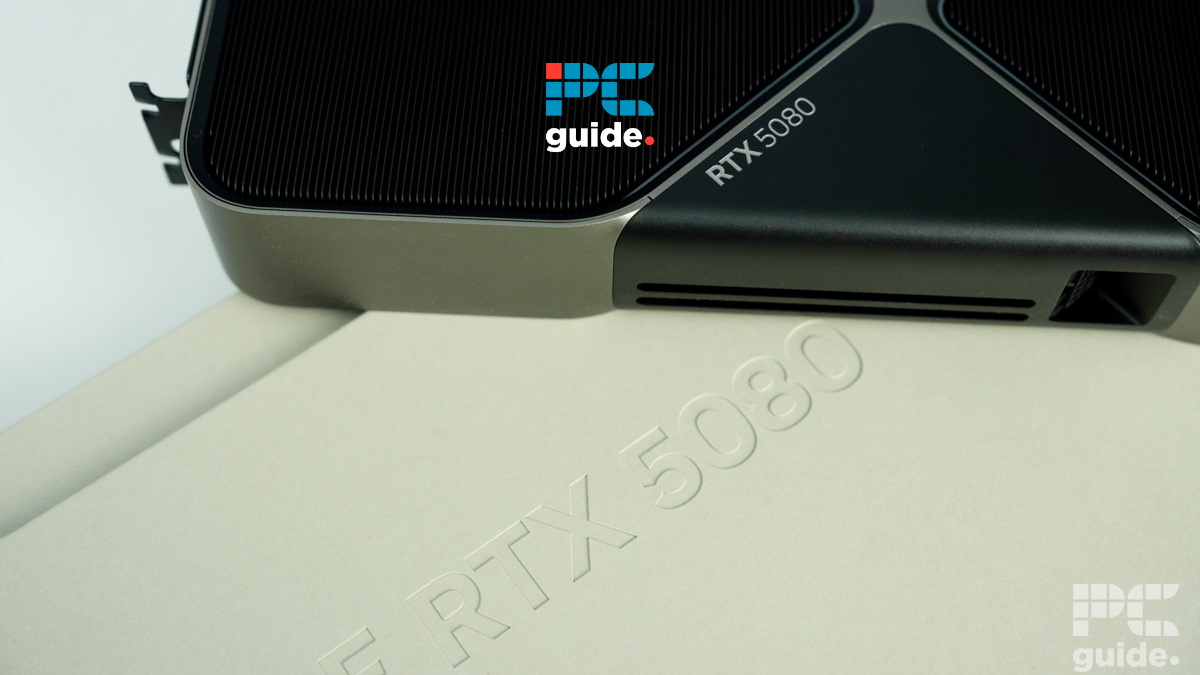
Table of Contents
You can now buy the AMD Ryzen 9 9900X3D, the 2025 Zen 5 successor to the Ryzen 9 7900X3D, so the next consideration the wise will be pondering is what is the best GPU for Ryzen 9 9900X3D to pair it with?
Since the Ryzen 9000X3D processors are set to become the best gaming CPUs in the world, it shouldn't be surprising that we recommend pairing the 9900X3D with the best GPUs like the RTX 5080 and RTX 5090 or the RX 7900 XTX, as that is the top GPU from AMD. However, since they were recently released, there have been stock issues with the Nvidia offerings. So, there are two options: you wait for the new GPUs to be restocked and try your luck before the stock runs out, or opt for the previous generation GPUs like the RTX 4080 Super, RTX 4090, or the newer, but lower SKU AMD Radeon RX 9070 XT – which has impressed us quite a lot in our review. These GPUs can deliver excellent productivity and gaming performance. They can be found easily across various retailers if you're looking to get your hands on GPU quickly.
Prime Day is finally here! Find all the biggest tech and PC deals below.
- Sapphire 11348-03-20G Pulse AMD Radeon™ RX 9070 XT Was $779 Now $739
- AMD Ryzen 7 7800X3D 8-Core, 16-Thread Desktop Processor Was $449 Now $341
- ASUS RTX™ 5060 OC Edition Graphics Card Was $379 Now $339
- LG 77-Inch Class OLED evo AI 4K C5 Series Smart TV Was $3,696 Now $2,796
- Intel® Core™ i7-14700K New Gaming Desktop Was $320.99 Now $274
- Lexar 2TB NM1090 w/HeatSink SSD PCIe Gen5x4 NVMe M.2 Was $281.97 Now $214.98
- Apple Watch Series 10 GPS + Cellular 42mm case Smartwatch Was $499.99 Now $379.99
- ASUS ROG Strix G16 (2025) 16" FHD, RTX 5060 gaming laptop Was $1,499.99 Now $1,274.99
- Apple iPad mini (A17 Pro): Apple Intelligence Was $499.99 Now $379.99
*Prices and savings subject to change. Click through to get the current prices.
Best GPU for Ryzen 9 9900X3D: at a glance
-
Best GPU for Ryzen 9 9900X3D
Nvidia GeForce RTX 5080 Founders Edition
- GPU: GB203
- CUDA Cores: 10752
- VRAM: 16GB GDDR7
- Memory Bus width: 256 bit
- Base Clock speed: 2295 MHz
- Boost Clock speed: 2617 MHz

-
Best AMD GPU for Ryzen 9 9900X3D
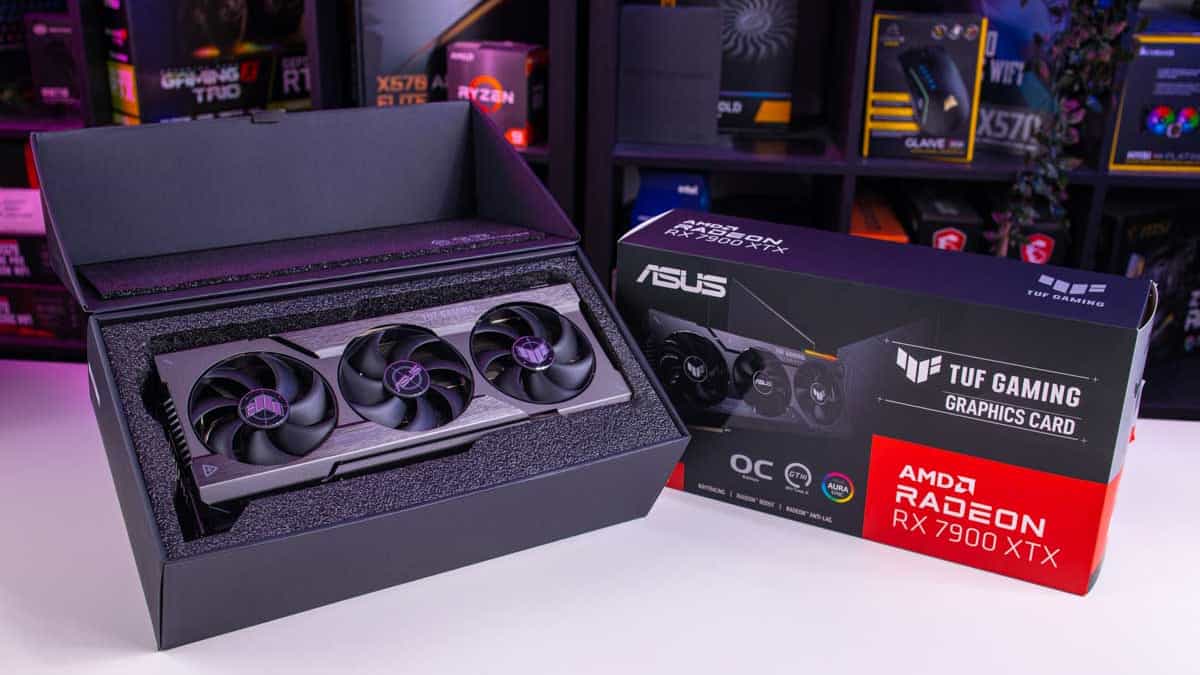
ASUS TUF Gaming Radeon RX 7900 XTX OC
- GPU: Navi 31
- Stream Processors: 6,144
- VRAM: 24GB GDDR6
- Memory bus width: 384-bit
- Bandwidth: 960 GB/s
- Base clock speed: 1,929 MHz
-
 Best high-end GPU for Ryzen 9 9900X3D
NVIDIA GeForce RTX 5090 Founders Edition
- GPU: GB202
- CUDA cores: 21,760
- VRAM: 32GB GDDR7
- Memory Bus width: 512-bit
- Base clock speed: 2010MHz
- Boost clock speed: 2410MHz
How we picked
To select GPUs for any processor, we first filter them based on their price, brand, features, and real-world performance, which we get after thoroughly testing them in our testing lab. This enables us to showcase their performance and paint a clear picture of how they performed and the level of output you can expect.
That being said, selections are never set in stone as we test new combinations and products and update our guides with components that make more sense and deliver better performance. If you want to check out our GPU testing process for more clarity, we've got you covered.
Best GPU for Ryzen 9 9900X3D: Our top picks
- GPU: GB203
- CUDA Cores: 10752
- VRAM: 16GB GDDR7
- Memory Bus width: 256 bit
- Base Clock speed: 2295 MHz
- Boost Clock speed: 2617 MHz
- Small and clean design with no compromise
- Upgraded GDDR7 fast memory
- DLSS 4 Frame Gen and Transformer upscaling
- Still highly priced due to current state of GPU market
- Increased power requirement
- Availability already a worry
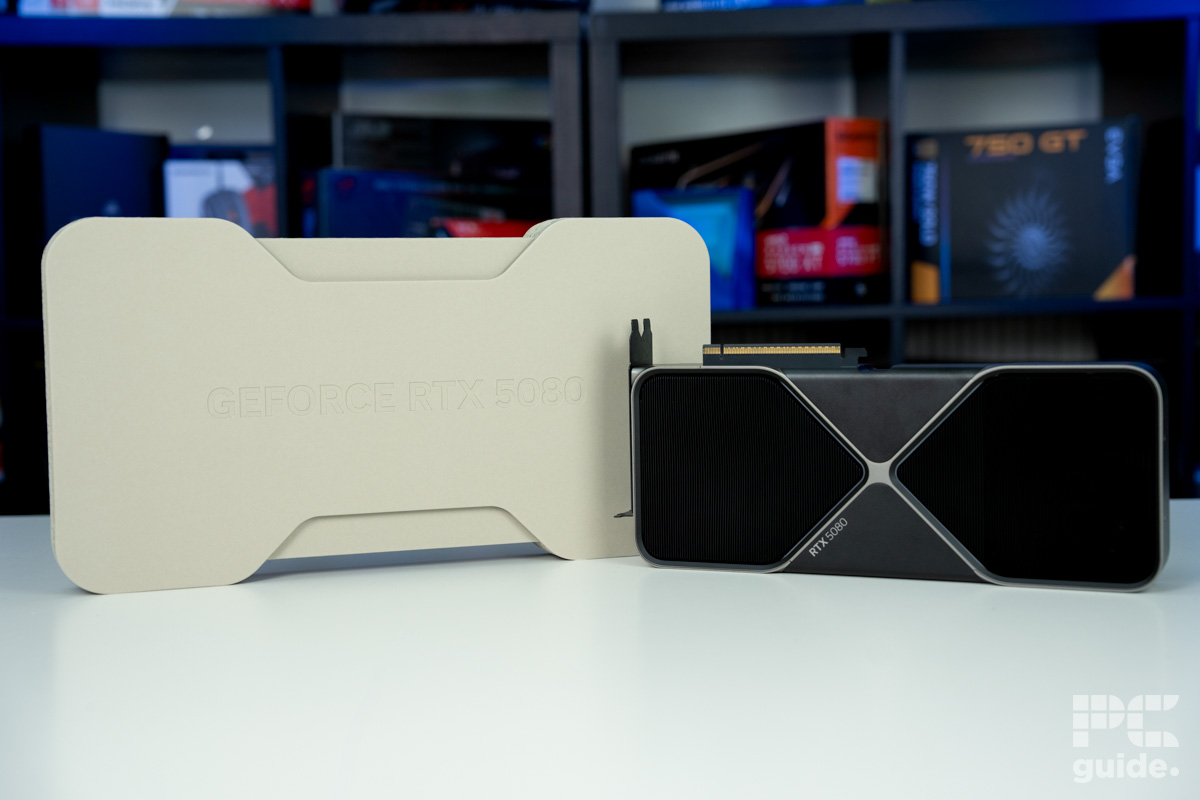
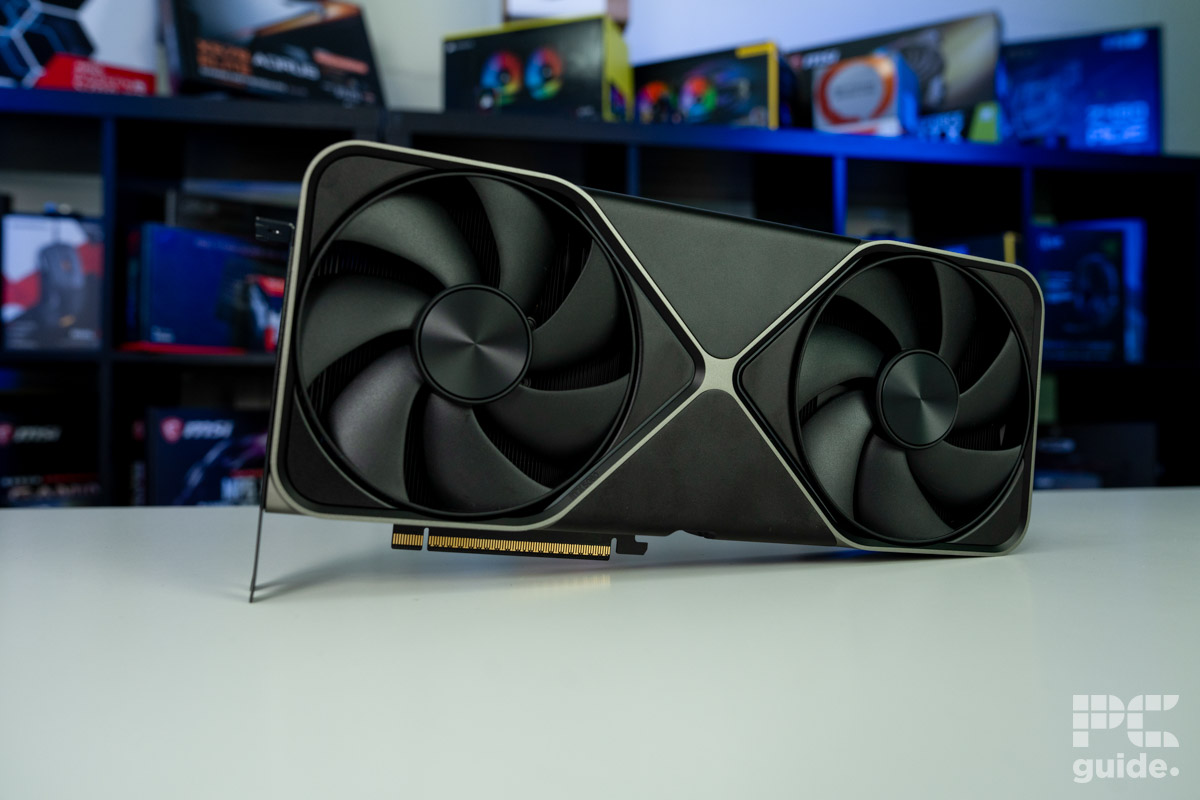
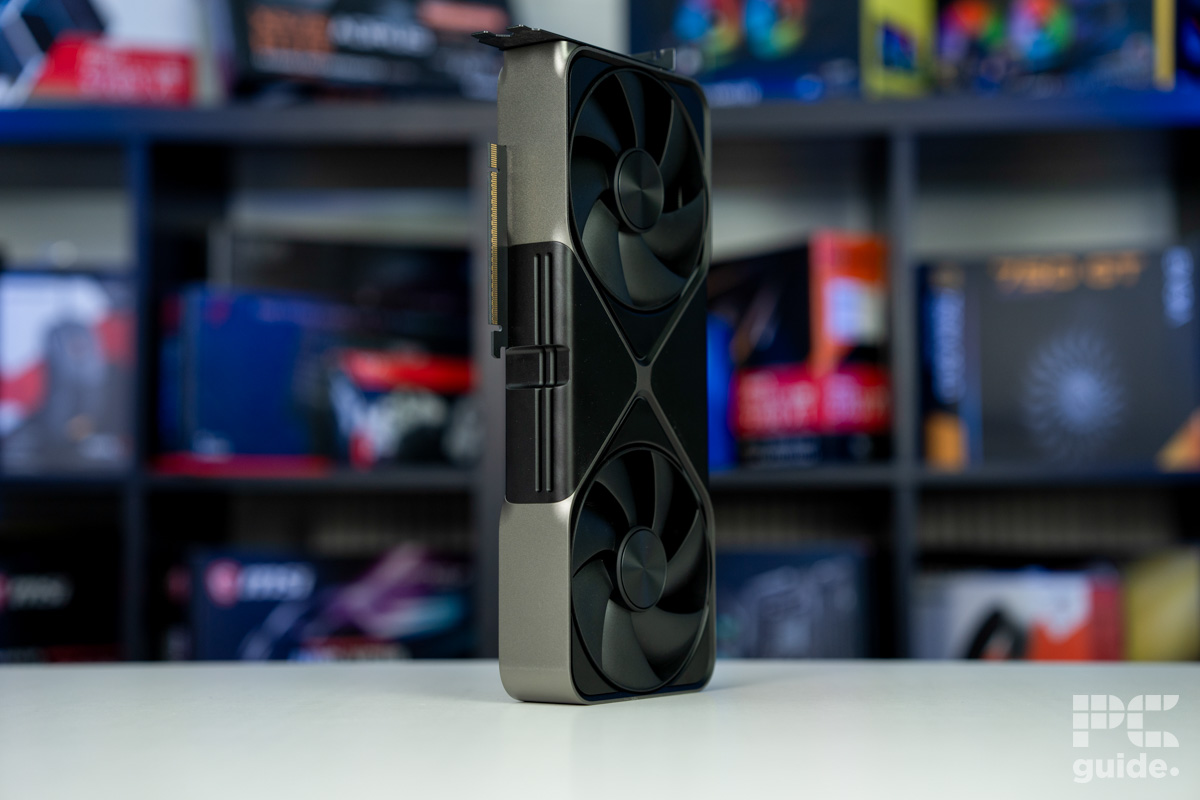
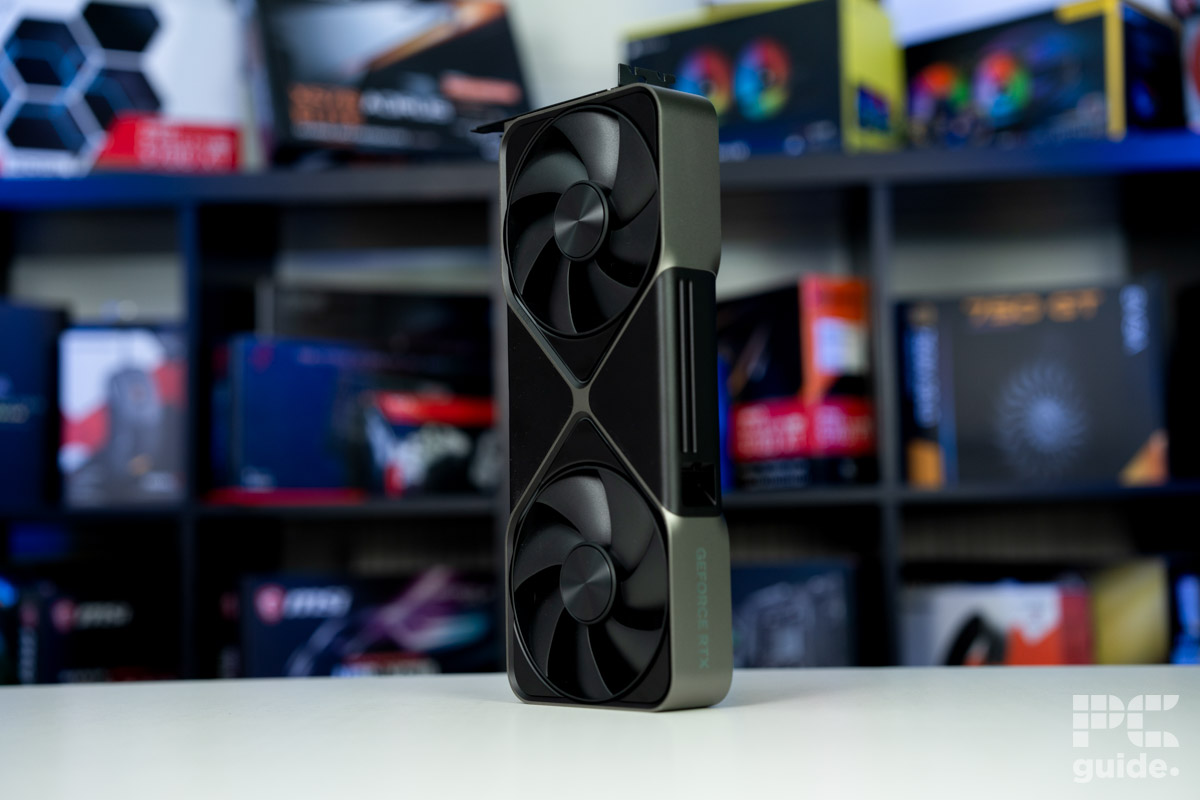
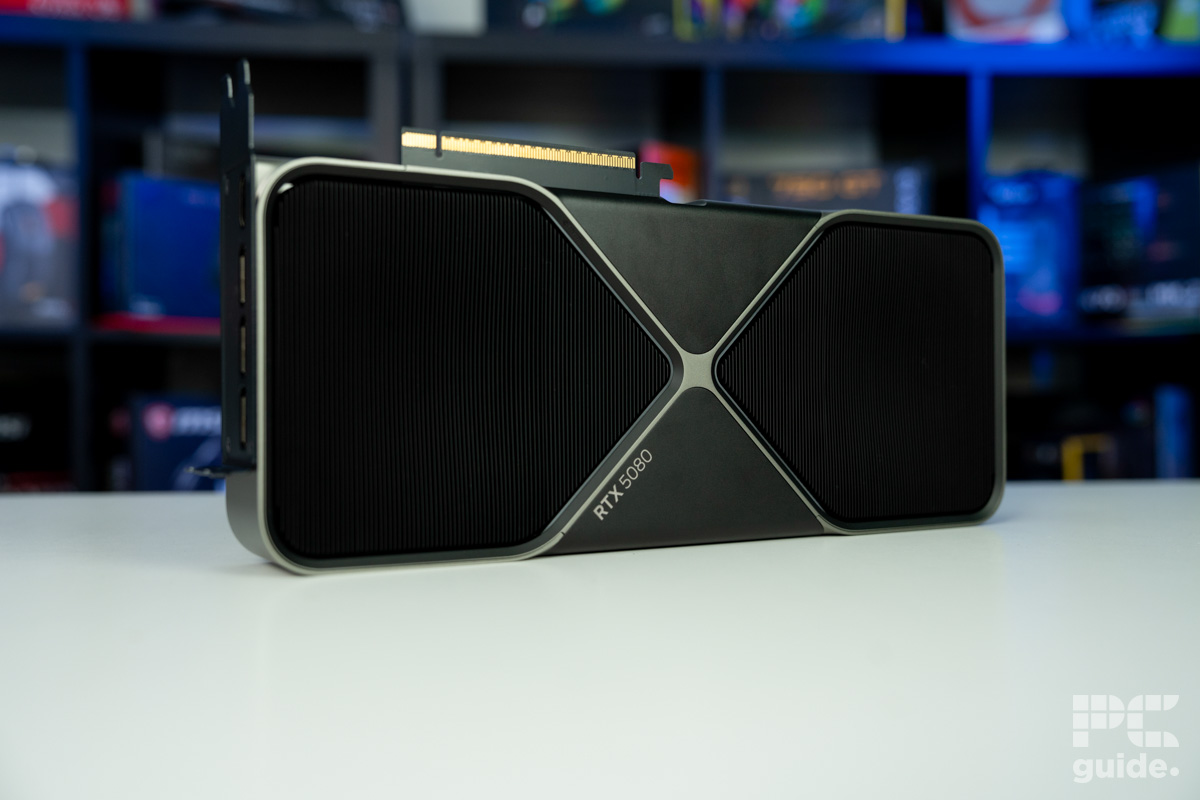
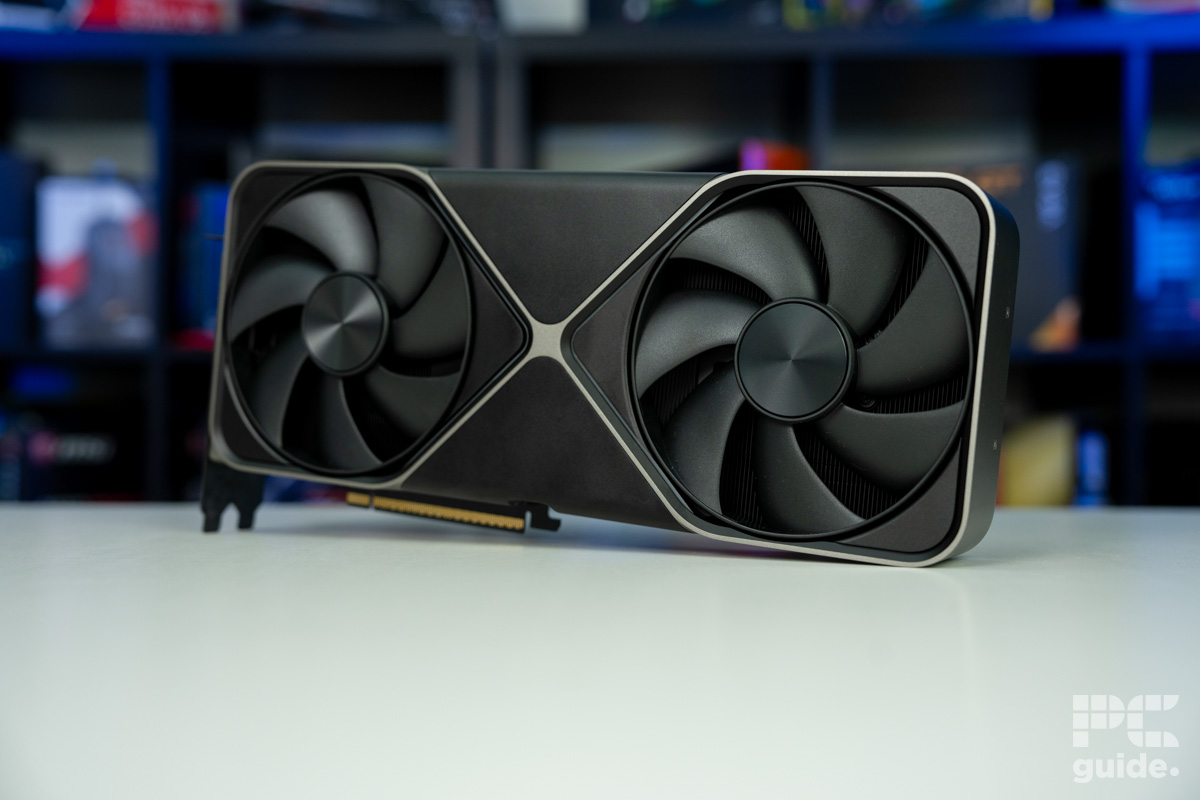
The best GPU we recommend for the Ryzen 9 9900X3D is the Founder's Edition RTX 5080. We've conducted hands-on testing with this card for our RTX 5080 review, and its performance has thoroughly impressed us.
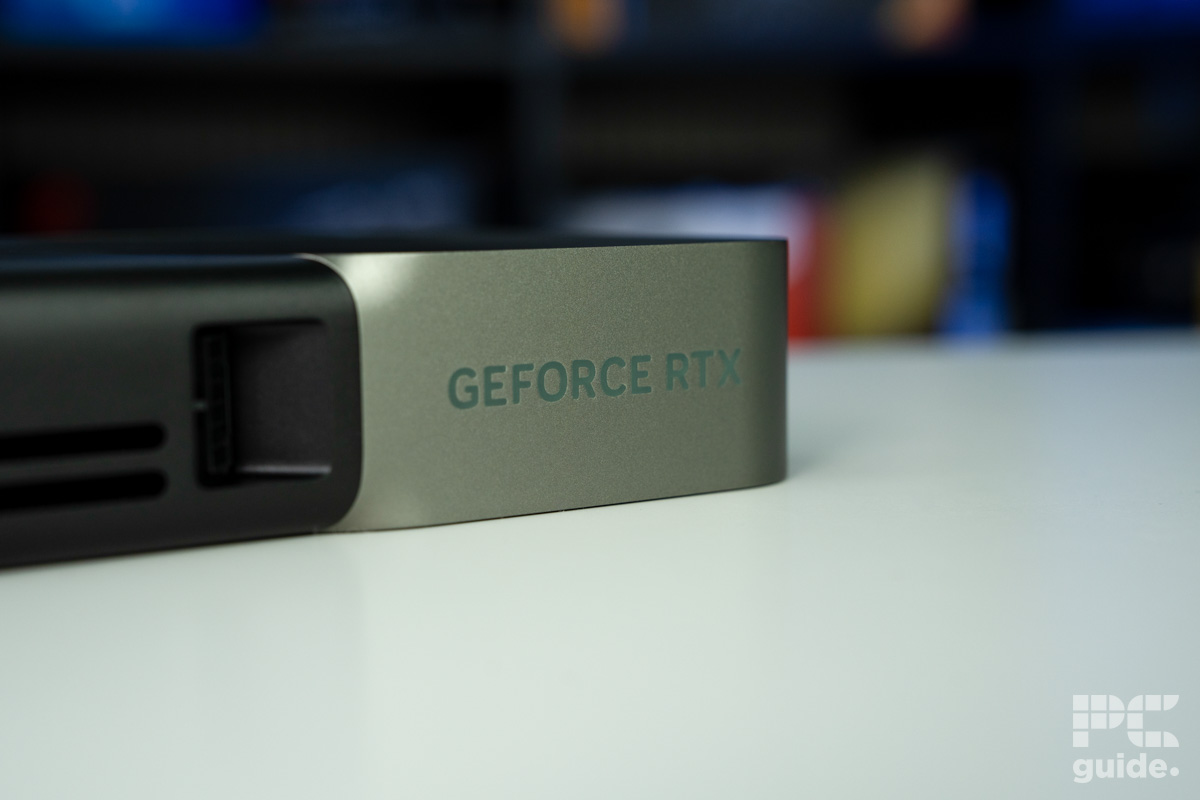
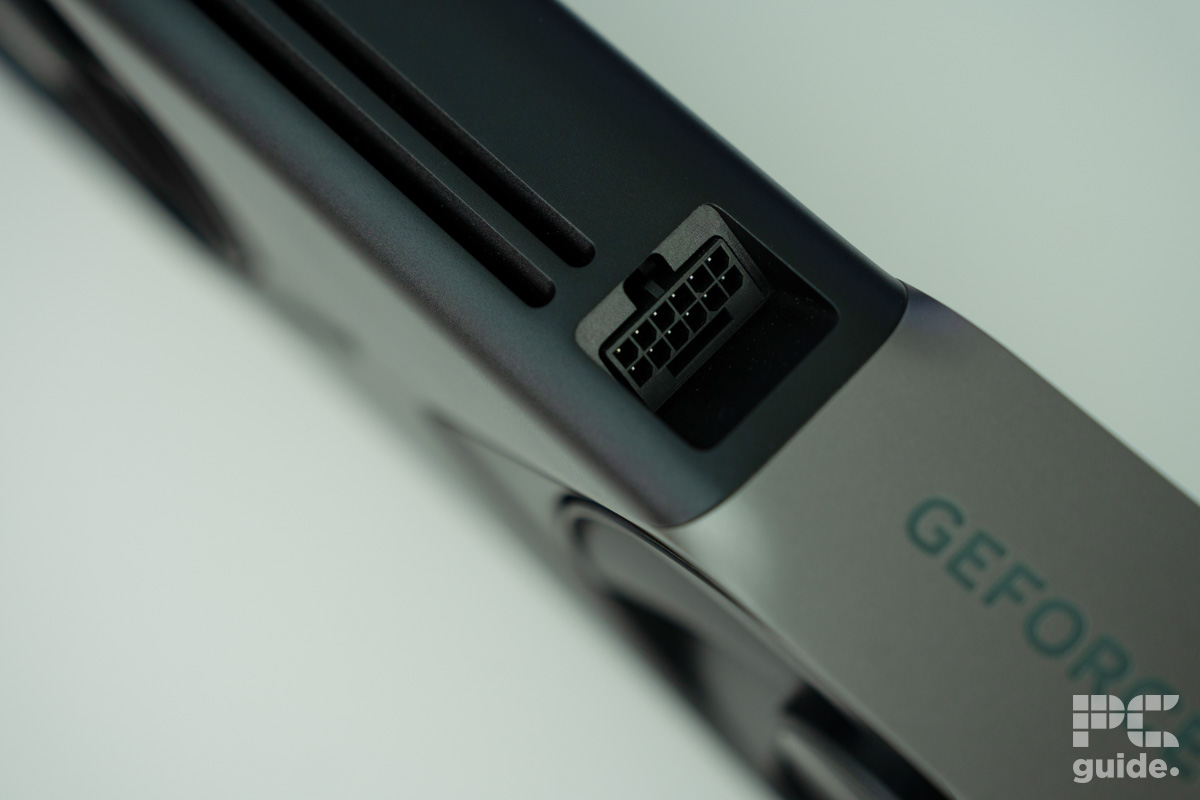
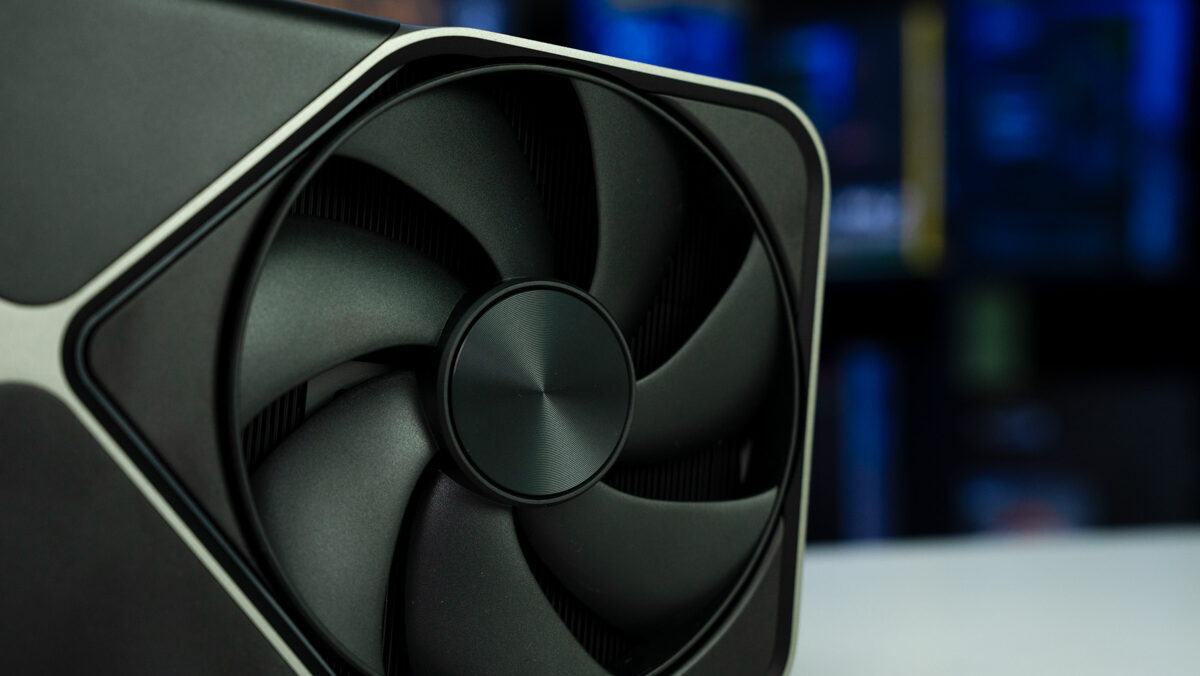
A big design change that the RTX 50-series made was that they are smaller than the previous generation cards. This is a 2-slot GPU with better cooling as the PCB is smaller, allowing the two fans to blow air directly through the entire GPU.
As for the specifications, it has 10752 CUDA cores based on the Blackwell Architecture and features 16GB GDRR7 VRAM, with a per-pin speed of 32GB/s, double that of GDDR6X VRAM. While it might not seem like a huge change on paper, these improvements allowed it to outperform the RTX 4080 by a considerable margin and trade blows with the RTX 4090.
To test its performance, we paired it with the Ryzen 7 9800X3D and ran a couple of games at max/ultra settings along with benchmarking software. For starters, we got 84 FPS in F1 24, which increased to 147 FPS with DLSS 4 set to Performance and 189 FPS with DLSS 4 Performance and Frame Generation.
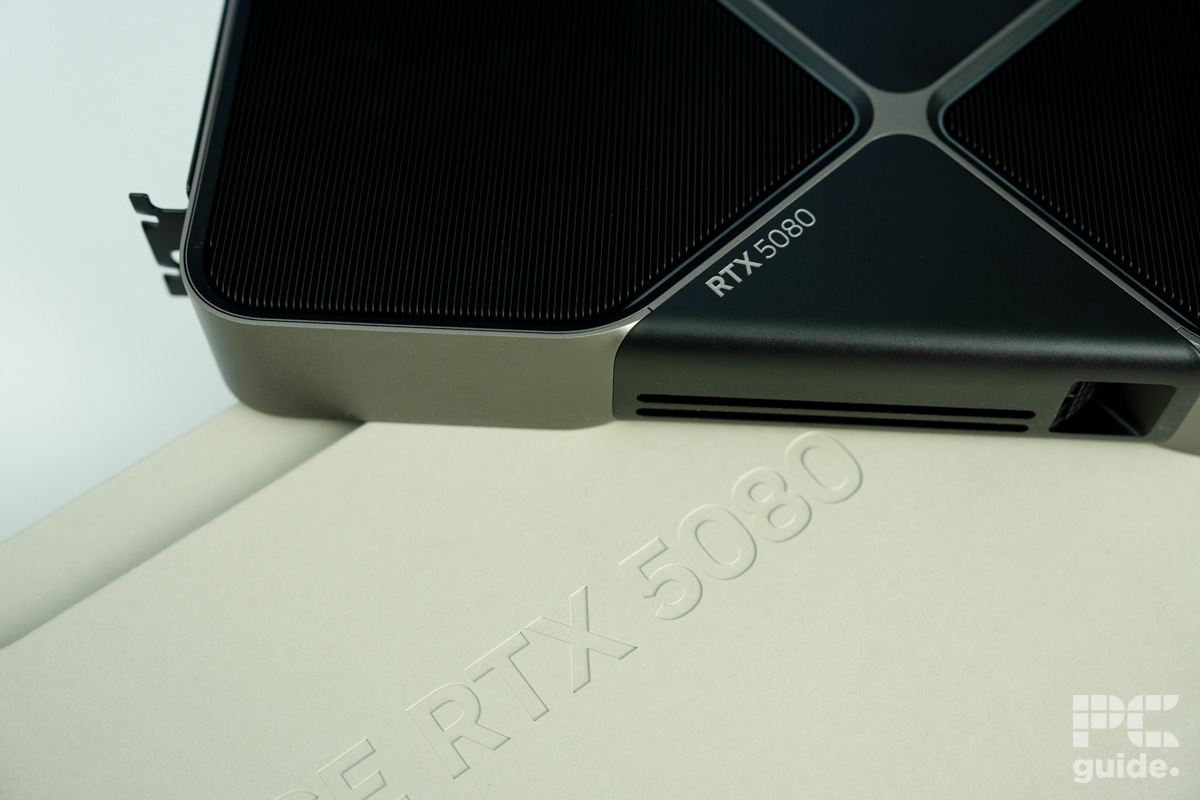
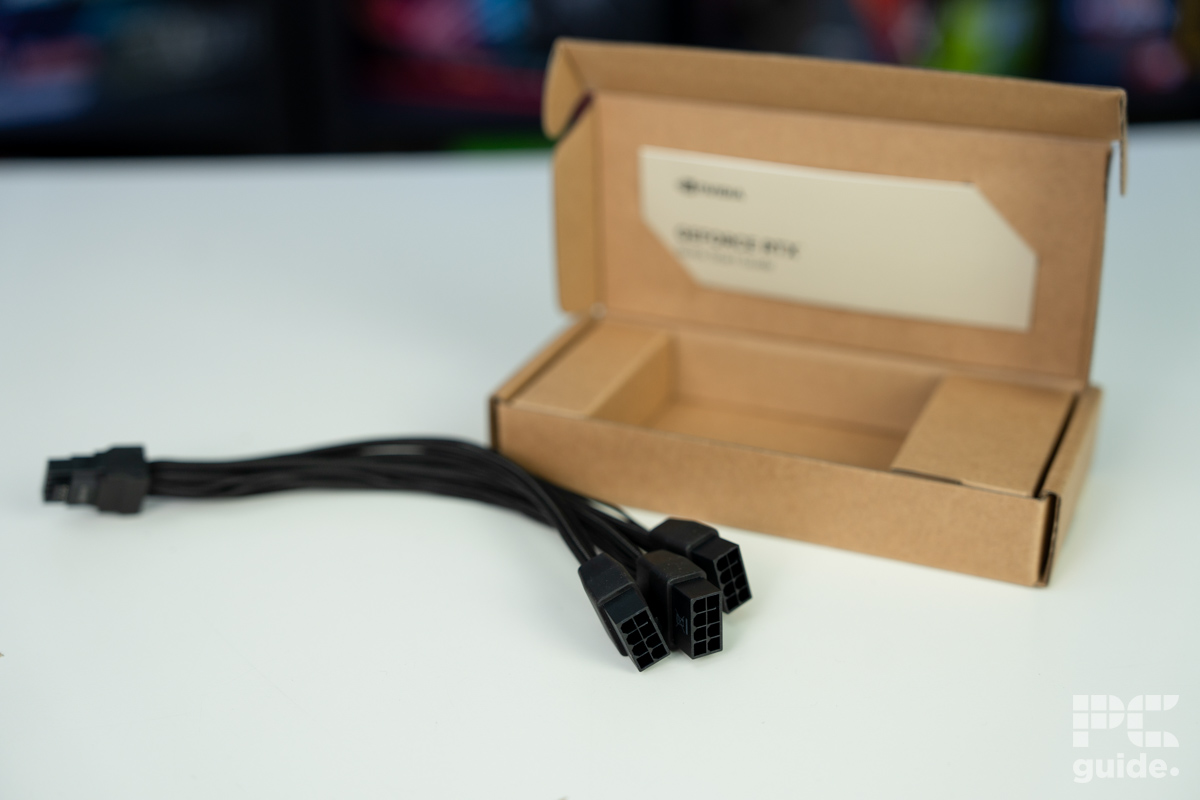
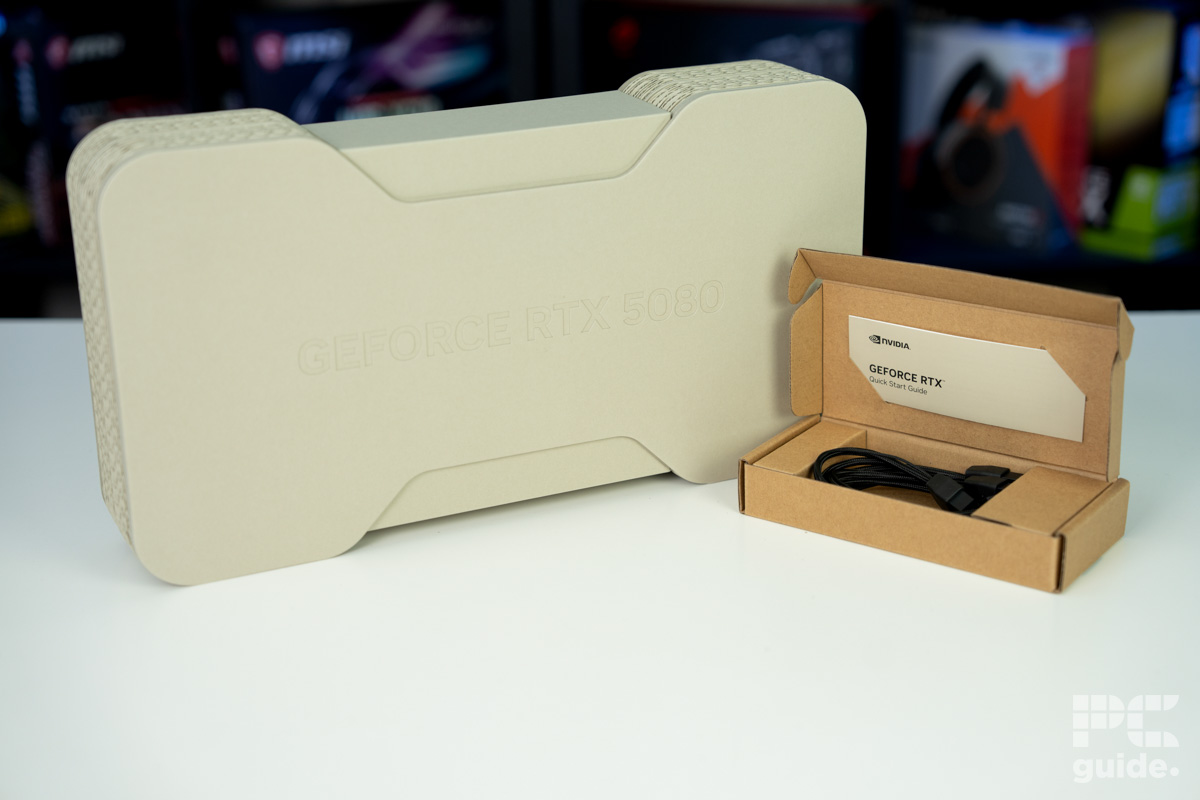
The Nvidia RTX 5080 FE is an impressive graphics card from the get-go. Its eco-friendly packaging and minimal size are surprising factors in unboxing, but the performance doesn't falter with that design.
PC Guide
We'll take the example of Cyberpunk 2077, as it is a graphically demanding title. At 4K, we got 72 FPS, while the RTX 4080 managed 57 FPS. After that, we decided to push this GPU to the limit and turned on Ray Tracing to Overdrive.
Unsurprisingly, the FPS tanked to 19 FPS, but this is where the AI improvements came in clutch, and with DLSS 4 Performance and Multi-Frame Generation set to 4X, the framerate increased to 183 FPS. This is nothing short of incredible and puts this GPU in a whole other league.
That being said, this is the output that we got paired with the 9800X3D, and at higher resolutions, the CPU isn't a major factor, as the GPU has to render 4K frames. So, we can expect a slightly better output with the 9900X3D in gaming but much better output in other workflows.
In Blender 4.3, we got 4,462 points in Monster, while the RTX 4080 got 4,302, which isn't a huge difference but a difference nonetheless. So, you should also experience better rendering times with this GPU for professional tasks.
Overall, this is a great GPU with excellent performance across the board. The only challenging aspect regarding this card is its availability. So, we recommend keeping your eyes on other options as well, like the ROG Astral GeForce RTX 5080 OC, which offers slightly better performance but at a much higher price point.
- GPU: Navi 31
- Stream Processors: 6,144
- VRAM: 24GB GDDR6
- Memory bus width: 384-bit
- Bandwidth: 960 GB/s
- Base clock speed: 1,929 MHz
- Strong pricing
- Leading 4K performance
- Bolstered by FSR 3
- Far from the cheapest RDNA 3
- Prices vary between partners
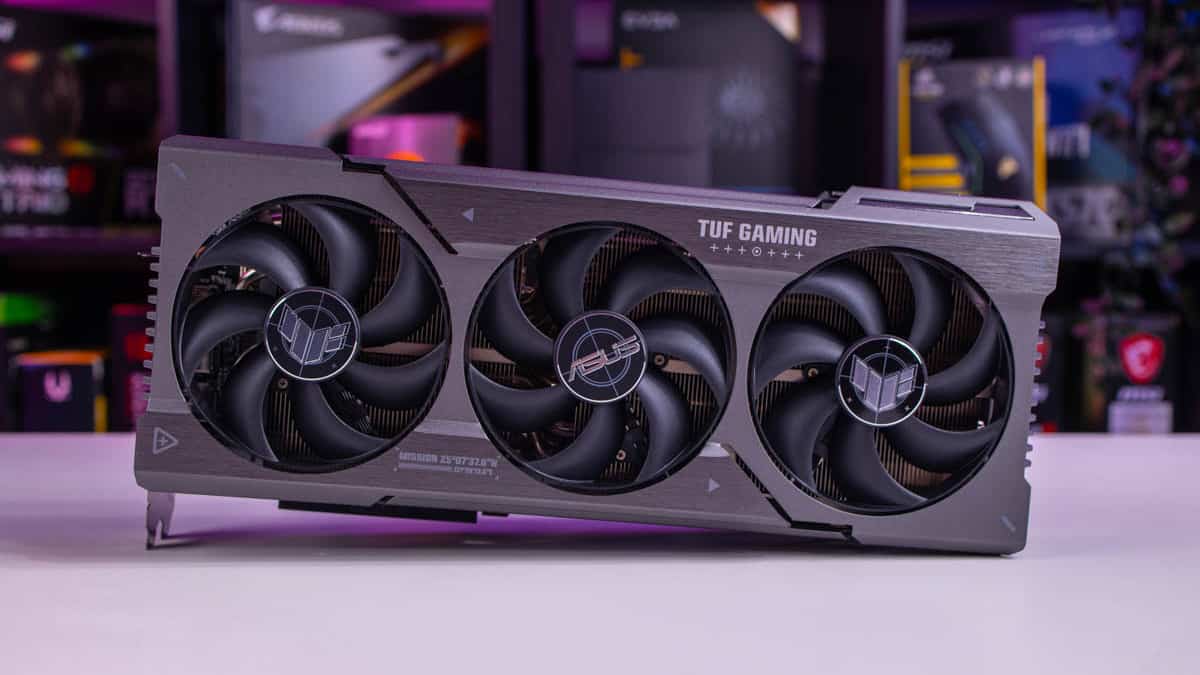
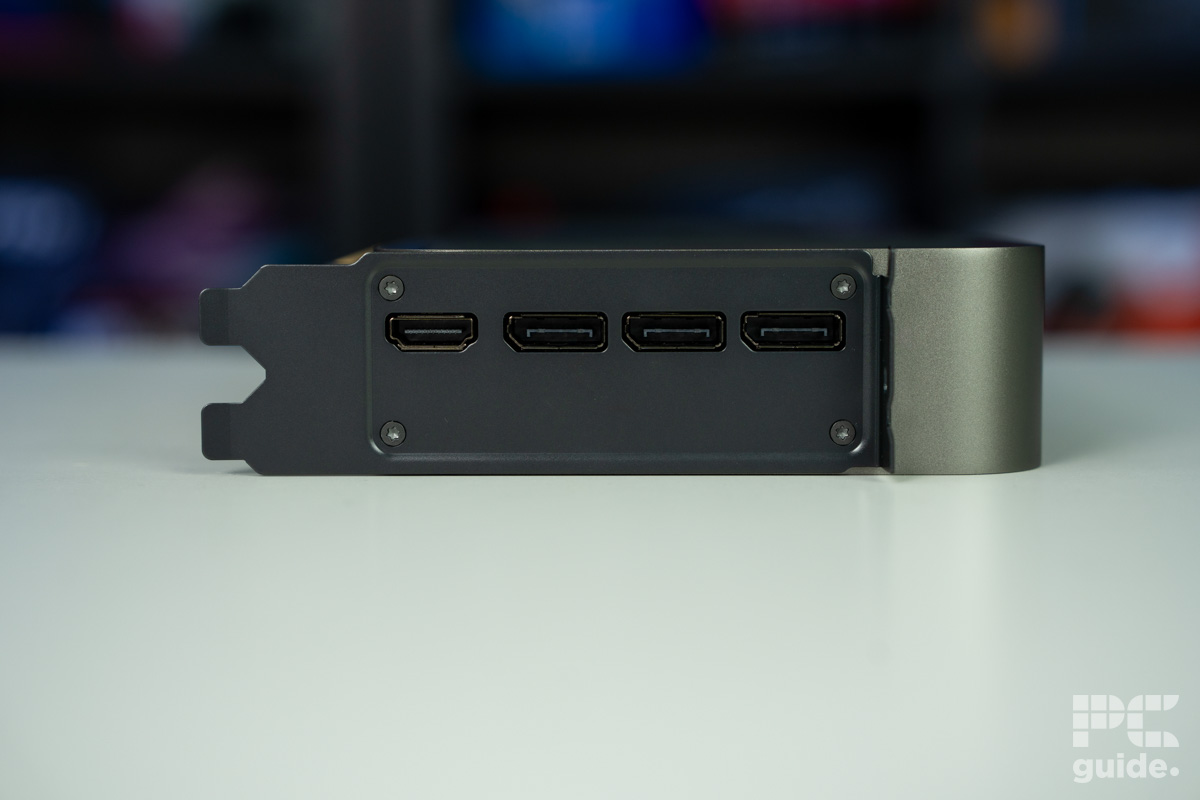
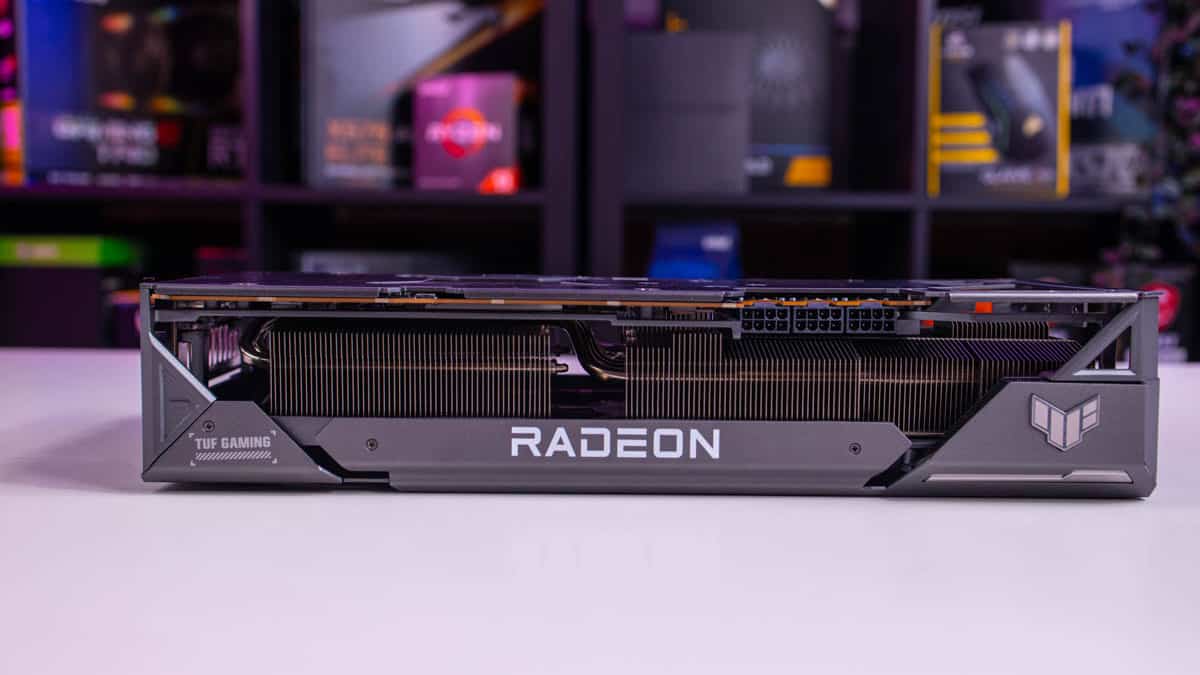
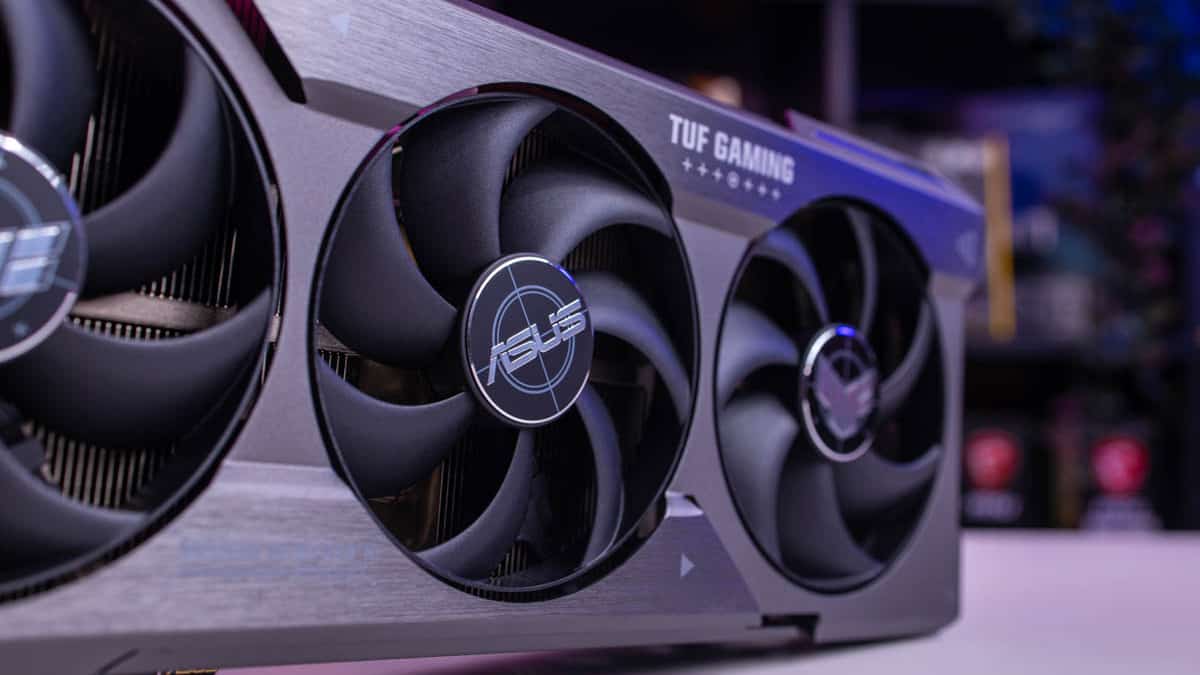
If you're looking for a solid GPU for gaming with the 9900X3D but don't want to spend $1,500, you should get out the RX 7900 XTX. Compared to the competition, this graphics card has much better value as it can match the performance of the RTX 4090 in gaming, but its synthetic performance isn't quite up to the mark.
In our RX 7900 XTX review, we ran a handful of games, but we'll take the results of Cyberpunk 2077 as an example, as it is a demanding title to render at 4K. This GPU managed 70 FPS at 4K without FSR enabled; for comparison, the RTX 4090 delivered 74 FPS. However, besides that, the RTX 4090 had an overall performance.
That being said, for a GPU that costs a little over $1,000, this performance is amazing, and for anyone who just wants to play games, the combination of the 9900X3D and 7900 XTX should be powerful. Another benefit of having an all-AMD build is that you get to leverage Smart Access Memory, which gives full access of the GPU to the CPU in some titles.
The AMD Radeon RX 7900 XTX is a stellar graphics card for 4K gaming with enough under the hood to achieve high frame rates natively.
PC Guide
In addition, this graphics card has 24GB GDDR6 VRAM, which is great as more VRAM is the name of the game nowadays, and rendering 4K frames requires more memory. On the other hand, tasks like real-time rendering, 3D modeling, video editing, and more also benefit from a high VRAM capacity.
This GPU has a 355W TDP, and AMD recommends an 800W PSU. That being said, the TDP can increase if you overclock the GPU, and to ensure that it and other components get all the power they need, we recommend using the best PSU for RX 7900 XTX.
Overall, the RX 7900 XTX is the last high-end GPU from AMD and has excellent performance. Paired with the 9900X3D, it should deliver good gaming output, and comparatively, it is also pocket-friendly.
What users say
According to Amazon reviews, this graphics card has great value for money and performance. One reviewer said: “This GPU is awesome I’m using a Samsung ultra wide 49-in and it holds up no matter what game you want to play I played it with an AMD CPU and an Intel CPU and it performs with each good product.”
- GPU: GB202
- CUDA cores: 21,760
- VRAM: 32GB GDDR7
- Memory Bus width: 512-bit
- Base clock speed: 2010MHz
- Boost clock speed: 2410MHz
- Exceptional productivity and gaming performance
- 32GB of GDDR7 VRAM
- DLSS 4 and Multi-Frame Generation further boosts gaming performance
- Cable melting issues have been reported
- Very expensive
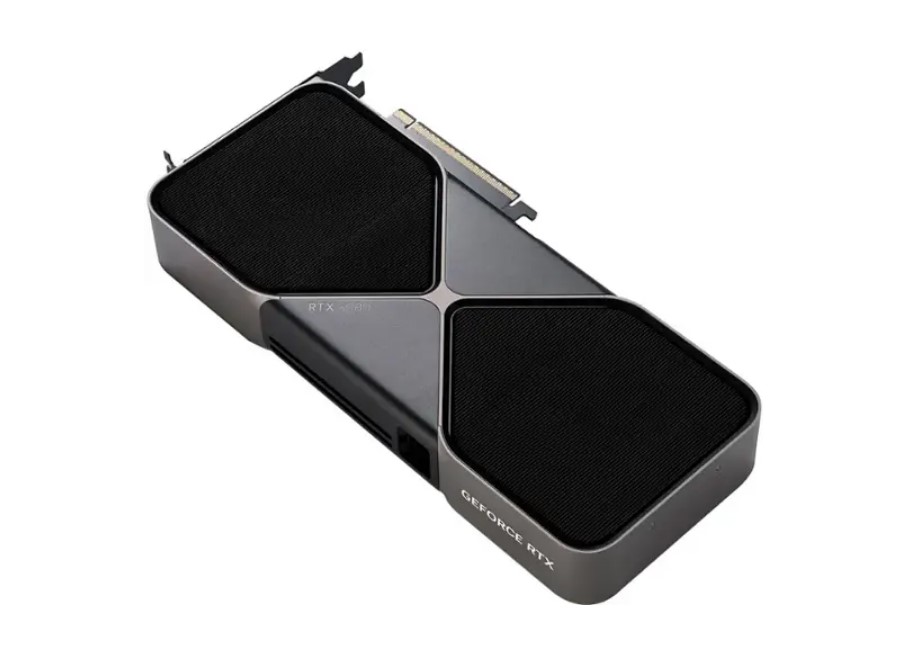
If you want the best of the best, there is no other option than the RTX 5090. This is the most powerful graphics card available, replacing the RTX 4090, and it should pair well with the 9900X3D for gaming and other resource-intensive tasks.
The RTX 50-series flagship features 21760 CUDA cores, 318 TFLOPS of 4th generation Ray Tracing cores, and 32GB of GDDR7 VRAM. What this means is that there is nothing you can put in front of this GPU that'll make it sweat.
It has a 1792 GB/sec bandwidth with a 512-bit memory interface width. This means that the RTX 5090 can process 512 bits of data per clock cycle. This is the highest capacity memory bus on a GPU and should result in exceptional performance as more data is being processed, whether you're playing games or rendering models.
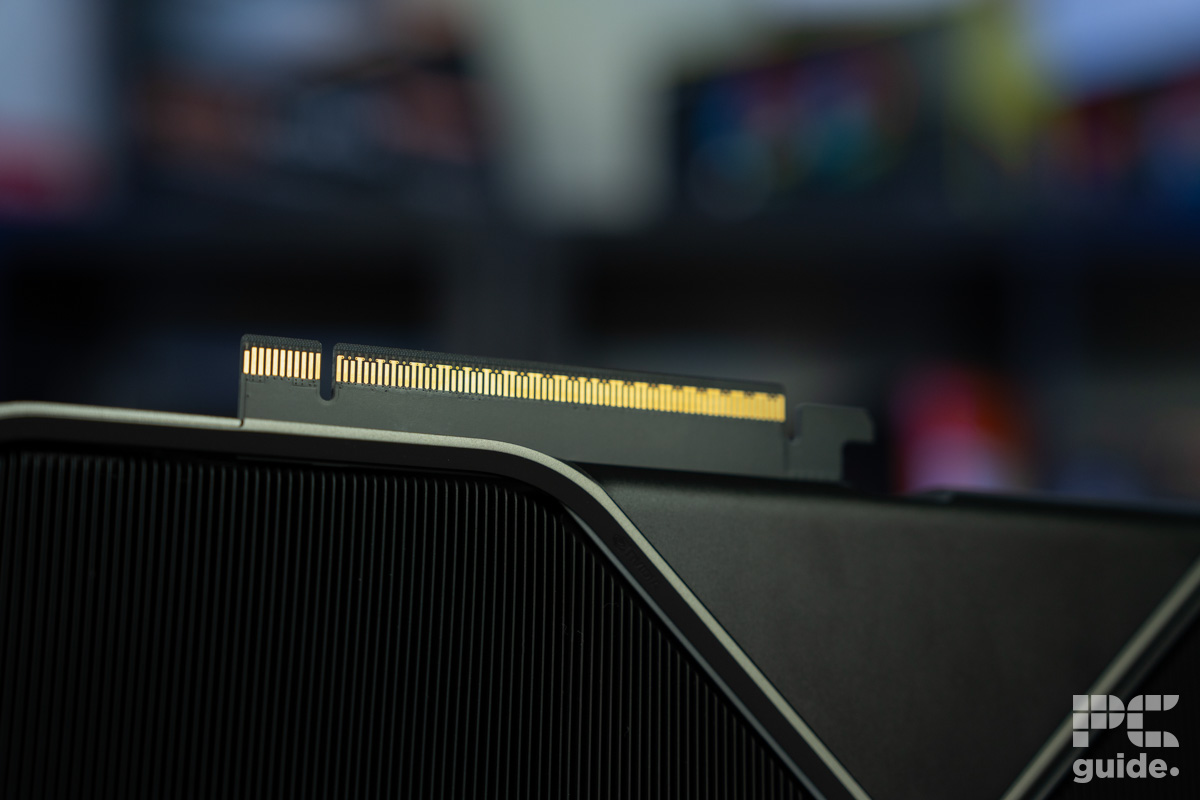
It also has PCIe 5.0 connectivity, which means more data can be communicated between the GPU and other components. However, having access to more data wouldn't matter if the card's internal memory can't process it, and this is where the memory interface comes into play, as that is what determines how fast a GPU processes data and the RTX 5090 has no shortage of speed.
The RTX 5090 is a beast from every perspective, whether hardware or software. While we haven't tested it in-house, it should have exceptional gaming and synthetic performance. There are plenty of publically available performance benchmarks available.
In one benchmark, the RTX 5090 managed 108 FPS at 4K in Cyberpunk 2077, while the RTX 4090 managed 71.2 FPS. This is a 40% performance difference, which is huge, and even with DLSS 3, the RTX 4090 can't bridge this gap as the RTX 5090 has DLSS 4 and MFG, which means that the performance delta should remain the same.
Overall, you can't go wrong with a flagship GPU paired with the 9900X3D, which should also have excellent performance, as this combination should set you up for years to come.
How to choose the best GPU for Ryzen 9 9900X3D
There are plenty of factors you need to consider before choosing a GPU, so we've listed a couple of them to help you make an informed decision.
Performance
If you've got a Ryzen 9 9900X3D, it should be safe to assume that you want the best gaming performance, excellent creative output, or both. For gaming, particularly stable 4K gaming, there is no better option than the new high-end RTX 50-series GPUs; however, the RTX 4090 and RX 7900 XTX also offer excellent gaming output and can churn out high FPS at UHD resolution.
Going for any of these options also ensures you get exceptional productivity, so you're covered in both aspects. While the argument can be made that the RTX 4090 has better synthetic performance than the 7900 XTX, the latter can also be bought at half the price, making it a much better value buy.
So, out of all these options, the 7900 XTX is the best “budget” option, but besides that, all of these will cost you upwards of $1,500. That being said, you can also opt for cards like the RTX 4080 Super or the RTX 4070 Ti Super, which are great “mid-range” options for 4K gaming and work.
Overall, the 9900X3D should work well with any GPU you pair it with, and the one you pair with it will ultimately depend on your budget and use case and whether you're building an enthusiast gaming PC or just want to secure yourself for the future and carry on with 1440p gaming.
About the Author